
The Complete Guide to Wheel Loader Buckets: Maximizing Performance on Every Job
Introduction
On a busy construction site, efficiency is rarely determined by the machine alone. Two contractors can operate identical wheel loaders, yet achieve completely different results. The difference often comes down to one critical component that is frequently overlooked—the bucket.
A wheel loader without the right bucket is like a skilled worker using the wrong tool. It may still get the job done, but at the cost of time, fuel, wear, and overall productivity. For contractors and equipment buyers, understanding wheel loader buckets is not just a technical detail; it is a strategic decision that directly affects project timelines and profitability.
This guide takes a deeper look into wheel loader buckets—not just what they are, but how they shape performance across industries, and how choosing the right one can transform the way you work.

Understanding the Role of the Wheel Loader Bucket
At first glance, a wheel loader bucket may seem like a simple attachment. It scoops, lifts, and dumps material. However, in real-world operations, it plays a far more complex role in determining how efficiently a job is completed.
The challenge many contractors face is underestimating how much the bucket influences cycle times and machine performance. A bucket that is too small forces operators to make more trips, increasing fuel consumption and labor time. On the other hand, a bucket that is too large can overload the machine, causing excessive wear and even safety risks.
The bucket acts as the direct interface between the machine and the material. Whether handling loose sand, dense gravel, or heavy rock, the bucket must match both the material characteristics and the machine’s capabilities. When properly selected, it allows the operator to move maximum material per cycle without compromising stability or control.
This understanding naturally leads to a deeper question—if buckets play such a critical role, why are there so many different types?


Matching the Bucket to Jobsite Conditions
Every jobsite presents unique challenges, and the effectiveness of a wheel loader bucket depends heavily on how well it is matched to those conditions.
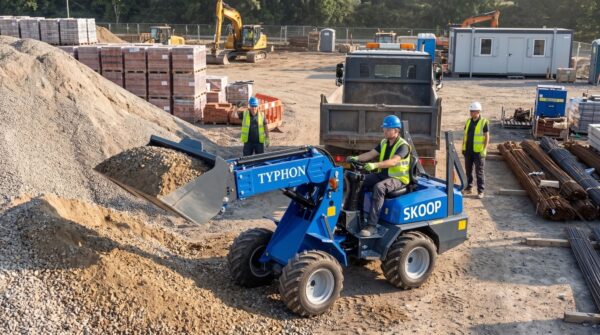
For example, working in loose, sandy environments requires a bucket that maximizes volume and minimizes spillage. In contrast, rocky or compacted materials demand a bucket with stronger penetration capabilities and reinforced cutting edges. Using the wrong bucket in these scenarios can slow down operations and increase wear on both the machine and the attachment.
Weather conditions also play a role. Wet or sticky materials can reduce bucket efficiency if the design does not allow for easy release. In such cases, specialized coatings or bucket shapes can make a significant difference.
Contractors who take the time to evaluate their jobsite conditions often gain a competitive advantage. They complete projects faster, reduce equipment strain, and maintain consistent productivity even in challenging environments.
This level of optimization naturally leads to another consideration—how the right bucket can impact long-term operational strategy.
Long-Term Benefits of Choosing the Right Bucket
Selecting the right wheel loader bucket is not just about immediate performance; it is a long-term investment in operational efficiency and cost control.
Over time, the right bucket reduces fuel consumption by minimizing unnecessary cycles. It lowers maintenance costs by preventing excessive wear on the machine. It also improves operator satisfaction, as a well-matched bucket makes the machine easier and safer to operate.
For construction business owners, these benefits translate into measurable financial gains. Projects are completed faster, equipment lasts longer, and overall profitability increases. In competitive markets, these advantages can be the difference between winning and losing contracts.
Moreover, as equipment technology continues to evolve, the importance of attachments like buckets will only grow. Modern fleets are increasingly optimized for specific tasks, and the bucket plays a central role in that optimization.
Conclusion
The wheel loader bucket may appear to be a simple attachment, but in reality, it is one of the most critical factors influencing jobsite performance. From capacity and design to material compatibility and durability, every aspect of the bucket affects how efficiently a machine operates.
For contractors and equipment buyers, the decision should never be an afterthought. Choosing the right bucket requires a clear understanding of job requirements, material characteristics, and long-term operational goals.
In an industry where time, cost, and efficiency are constantly under pressure, the right bucket becomes more than just a tool—it becomes a strategic asset. Those who recognize its importance and invest wisely will not only improve their daily operations but also position themselves for sustained success in an increasingly competitive market.