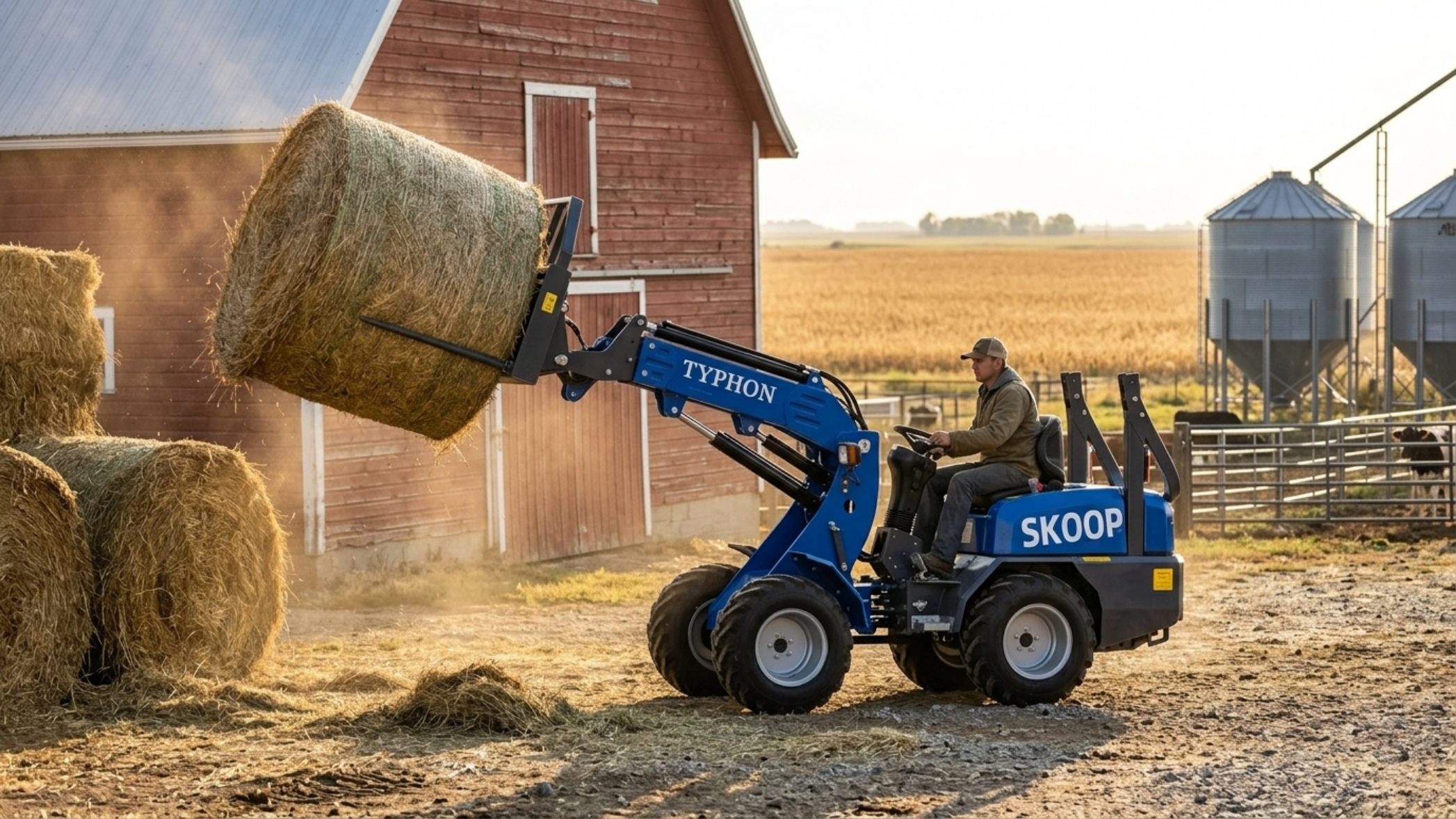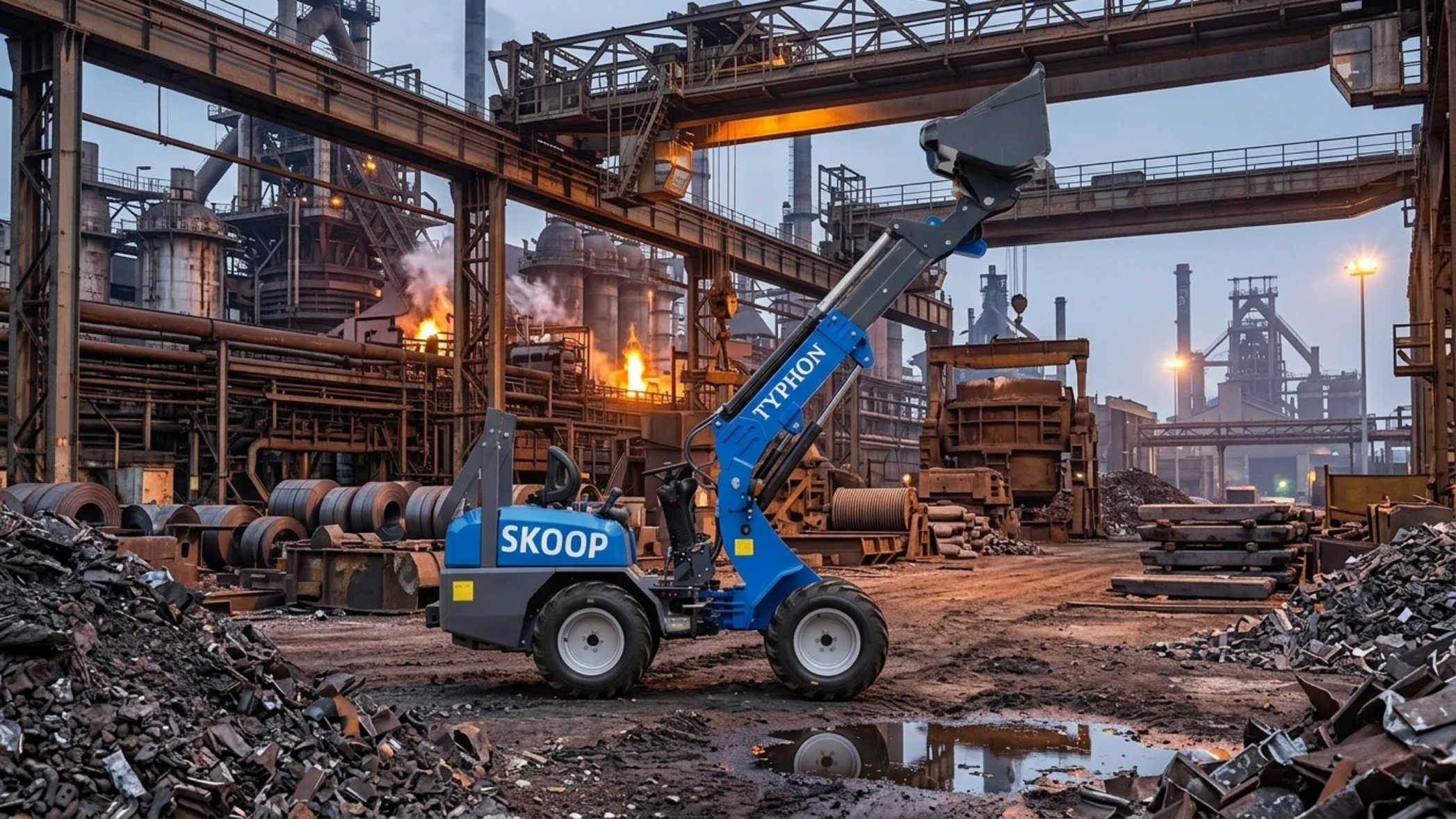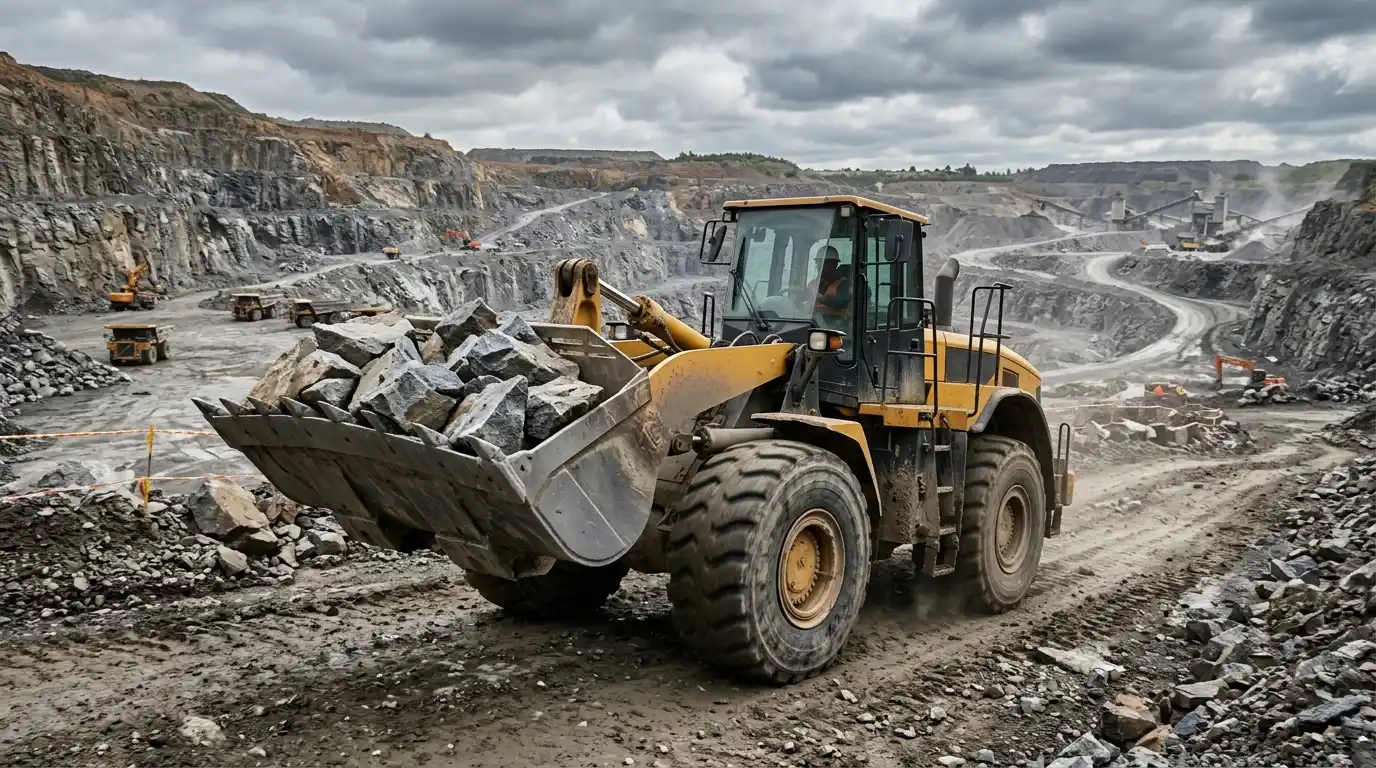
Few machines earn their keep on a farm quite like the compact wheel loader. It shows up for the heavy lifting at sunrise, handles a dozen unrelated tasks before lunch, and keeps working through every season of the year. For farmers, agricultural business owners, and equipment buyers weighing their next purchase, understanding the agricultural uses for compact wheel loaders reveals just how much value a single, well-chosen machine can deliver across an entire operation. This guide walks through the wide range of farming and agricultural applications where compact wheel loaders prove their worth, from moving hay and handling feed to managing manure, clearing land, and supporting livestock. We will also look at what makes these machines so well suited to farm environments, so you can decide with confidence whether one belongs in your equipment lineup. What Makes Compact Wheel Loaders a Natural Fit for Farms Before exploring specific tasks, it helps to understand why compact wheel loaders have become such a trusted part of modern farming equipment. The answer comes down to three core strengths that align almost perfectly with the realities of agricultural work. The first is attachment versatility. A compact wheel loader is rarely a single-purpose tool. With a quick-attach coupler, the same machine that carried a bucket of feed in the morning can switch to pallet forks, a bale spear, a grapple, or a sweeper in a matter of minutes. That flexibility lets one machine replace several pieces of dedicated equipment, which is a meaningful advantage on a farm where budgets are tight and storage space is limited. The second strength is maneuverability in tight spaces. Farms are full of confined areas where larger equipment simply cannot operate efficiently. Crowded barn alleys, narrow gates, packed feed lots, and busy yards all demand a machine that turns sharply and positions loads with precision. Compact wheel loaders are built with articulated steering and a small footprint, allowing operators to work confidently around livestock, buildings, and stored materials without the constant repositioning that a bulkier loader would require. At the same time, their articulated design keeps the bucket tracking straight ahead during turns, which makes precise loading far easier than it is with a skid steer in many situations. The third strength is the ability to handle varied terrain. A working farm rarely offers smooth, level ground. Operators contend with mud, gravel, packed dirt, sloped pasture, and uneven yards every day. Compact wheel loaders ride on rubber tires that roll smoothly across these surfaces, cover ground quickly, and cause less disturbance to soil and turf than tracked machines. Their ground clearance and stability let them move loads across the property efficiently, whether that means hauling feed from a storage building to a distant pen or carrying materials across a field to a work site. Together, these qualities explain why compact wheel loader farm applications span nearly every corner of an agricultural operation. Moving and Handling Hay Bales Hay handling is one of the most common and demanding jobs on any livestock or forage operation, and it is where a compact wheel loader truly shines. Large round and square bales are heavy, awkward, and frequently need to move between fields, storage areas, and feeding locations throughout the year. Fitted with a bale spear or bale-handling attachment, a compact wheel loader lifts, transports, and stacks bales with speed and control that hand labor and smaller equipment cannot match. The machine’s lift capacity and reach allow operators to stack bales several layers high, making the most of limited storage space inside barns or under cover. When feeding time comes, the same loader carries bales directly to feeders or pastures, saving hours of labor and reducing the physical strain on the people doing the work. Because the loader handles bales gently and precisely, it also reduces waste from dropped or damaged bales, which protects the value of a crop that represents real money and many hours of effort. For any operation that depends on hay, this single capability often justifies the investment on its own. Feed Handling and Daily Livestock Feeding Beyond hay, compact wheel loaders play a central role in the daily routine of feeding livestock. Feed handling involves moving silage, grain, mixed rations, and other materials from storage to the animals, often multiple times a day, every day of the year. This is repetitive, time-sensitive work, and the efficiency of the machine doing it has a direct effect on labor costs and overall productivity. With a bucket attachment, a compact wheel loader scoops and transports silage from bunkers or loads feed into mixers quickly and cleanly. Its precise hydraulic controls let operators dispense the right amount with minimal spillage, and its maneuverability allows it to work in the close quarters of feed alleys and barns without disturbing the animals. For dairy and beef operations especially, where feeding consumes a large share of daily labor, a loader that streamlines this task delivers value that compounds across every single day of the year. The reliability of having a machine that starts and performs this work without fail is exactly what keeps a feeding routine on schedule. Manure Management and Barn Cleaning Manure management is an unavoidable and essential part of livestock farming, and it is rarely anyone’s favorite job. A compact wheel loader makes this work faster, cleaner, and far less labor-intensive. Equipped with a bucket or a grapple, the machine scrapes, scoops, and hauls manure out of barns, pens, and holding areas efficiently, helping maintain the clean, healthy conditions that protect animal welfare and comply with environmental requirements. The loader’s strength and capacity let it move large volumes quickly, whether that means cleaning out a barn between groups of animals or loading manure into a spreader for application to fields. Its maneuverability is a genuine asset here, since barn cleaning often happens in tight, enclosed spaces where a larger machine would struggle. By turning a grueling manual task into an efficient mechanized one, a compact wheel loader improves both the working conditions