How Wheel Loaders Improve Construction Efficiency and Material Handling
The gravel pile needs to move before the concrete arrives. Your crew is halfway through loading it by hand and by the time the trucks show up, half the schedule is already gone. Multiply that across a whole project and you can see where the days disappear. A wheel loader solves that problem in a hurry. It scoops, carries, loads, and stacks in a fraction of the time, turning a bottleneck into a smooth, steady flow of material.
It also improves coordination on site by keeping material handling predictable and consistent. Instead of relying on repeated manual loading or multiple machines working inefficiently, a wheel loader keeps everything moving in a steady rhythm so crews can stay focused on the next stage of construction without delays piling up.
Over time, that efficiency adds up across the entire project. Faster loading, fewer interruptions, and better material flow mean tighter schedules, reduced labor strain, and a smoother transition between delivery, placement, and finishing work on site.
Move More Material in Less Time
Material handling is the heartbeat of any jobsite. Gravel, sand, soil, debris, and supplies all have to get where they’re going, and every minute spent moving them by hand is a minute lost. A wheel loader changes the pace completely, handling in one scoop what a crew struggles with for an hour.
It also reduces the need for constant manual handling, which not only slows work down but also increases fatigue and the risk of mistakes. With a wheel loader, operators can keep material moving continuously between stockpiles, trucks, and work areas, maintaining a steady workflow that keeps the entire jobsite productive from start to finish.
Load Trucks and Hoppers Fast
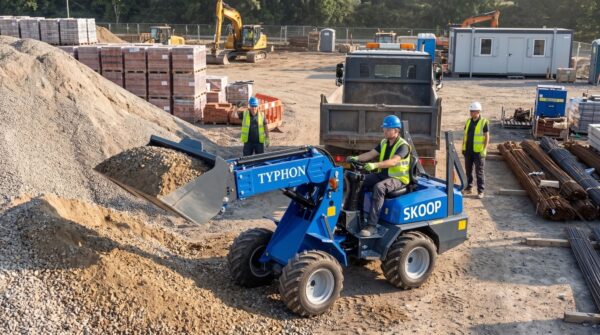
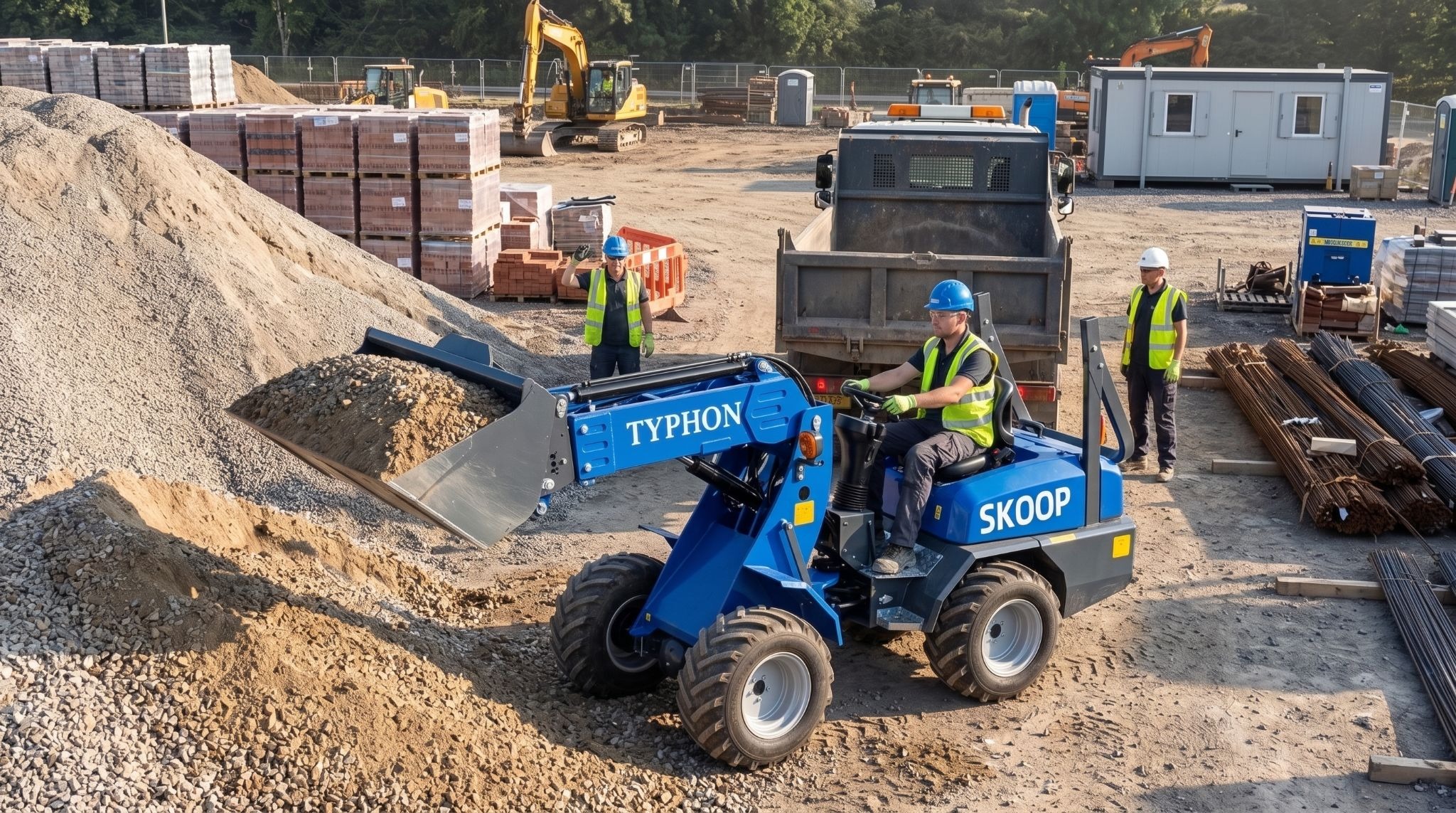
A wheel loader fills dump trucks, hoppers, and material bins with a few quick passes. Its large bucket capacity and quick cycle times mean you keep trucks moving instead of idling on the clock.
Position the loader for a short, efficient path between the pile and the truck, and you’ll cut cycle times even further. Less travel, more loading, and a rhythm your whole crew can build around.
Keep Material Flowing Across the Site
Standing material slows productivity and creates unnecessary delays across the jobsite. A wheel loader keeps work moving by transporting heavy loads of soil, gravel, sand, aggregates, and other materials across rough terrain far more efficiently than manual methods or smaller equipment. To maximize performance, choose a bucket size that matches both the material being handled and the machine’s rated capacity, and plan efficient travel routes to reduce unnecessary driving, turning, and cycle times.
While transporting material, keep loads balanced and as low as practical to maintain stability and improve operator safety, especially on uneven ground. Staging materials close to where crews need them next further reduces downtime and keeps every phase of the project supplied. With an organized material handling strategy, a wheel loader helps maintain a steady workflow, allowing trucks, equipment, and crews to operate more efficiently and stay on schedule.
Handle Site Prep and Grading With Confidence
Before anything gets built, the ground has to be ready. Rough, uneven, or cluttered sites slow every trade that follows. A wheel loader tackles the heavy lifting of site prep and rough grading, giving you a clean, level base to build on.
With its high bucket capacity and powerful breakout force, a wheel loader moves large volumes of soil, gravel, and debris in fewer passes, helping crews stay on schedule even in demanding site conditions. Its versatility allows operators to quickly switch between loading, stockpiling, and spreading materials, making it a key machine for keeping early-stage construction organized, efficient, and ready for the next phase of work.
Clear and Level the Ground
A wheel loader pushes, spreads, and levels large volumes of material quickly. Use the bucket to knock down high spots, fill low areas, and rough-grade a pad far faster than smaller equipment can manage.
Work in steady passes, moving material from where you have too much to where you need more. The machine’s power and reach let you shape a large site without constant repositioning.
Prepare Roads, Pads, and Foundations
A wheel loader plays a key role in site preparation by moving, spreading, and positioning large volumes of material for roads, building pads, and other construction areas. It can evenly spread aggregate in controlled passes to create a solid base, quickly backfill around foundations after forms are removed, and rough-grade large sections of the site before final finishing begins. The machine also makes it easy to push and organize excess material into stockpiles for later use, reducing unnecessary handling.
By combining high lifting capacity with efficient material movement, a wheel loader speeds up every stage of site preparation while reducing manual labor and equipment downtime. Proper planning and consistent grading techniques help create stable, build-ready surfaces that support construction activities and keep projects progressing on schedule.
Adapt to Any Task With the Right Attachment
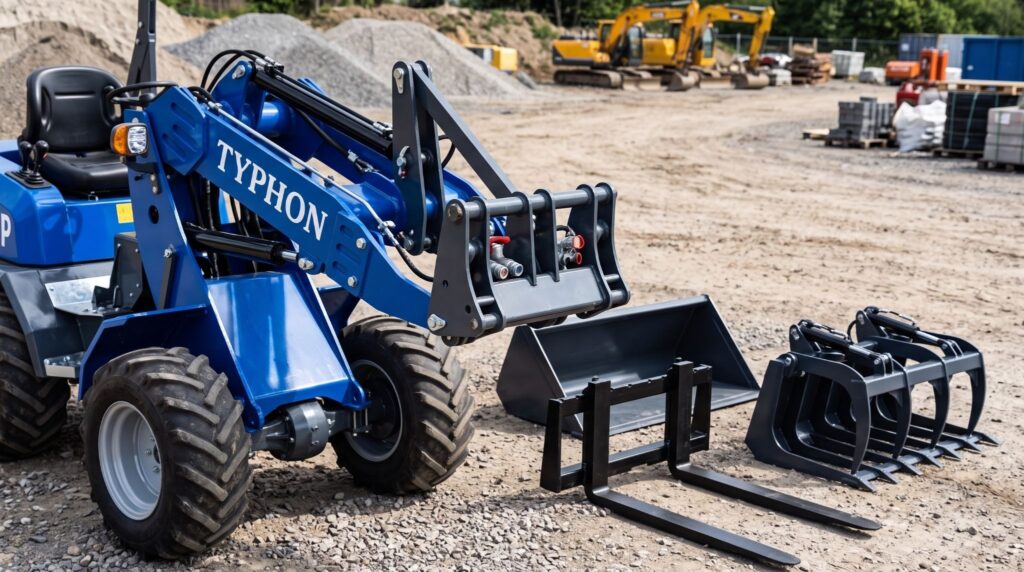
A wheel loader’s bucket is just the starting point. Swap attachments and the same machine handles pallets, logs, snow, and awkward loads that no single tool could manage alone. That versatility is what makes it one of the hardest-working machines on any site.
Equipped with quick-attach systems and a wide range of compatible tools, a wheel loader can shift from lifting pallets to clearing brush or handling irregular materials in minutes. This adaptability reduces the need for multiple machines on site, streamlining operations while keeping productivity high across changing job demands.
Buckets, Forks, and Grapples
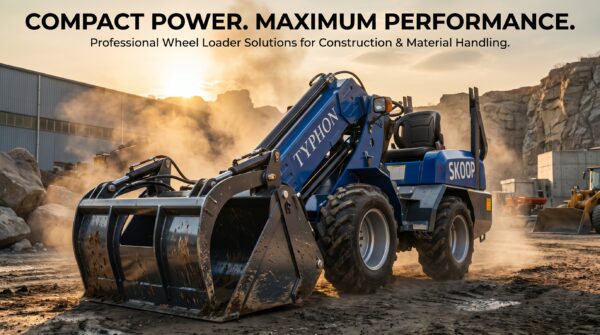
The versatility of a wheel loader comes from its attachments, allowing one machine to handle a wide variety of jobs. General-purpose buckets move soil, gravel, sand, and aggregate, while pallet forks transport supplies and palletized materials. Grapples are ideal for handling logs, brush, pipes, and irregular debris, multi-purpose buckets combine several functions into one tool, and snow pushes or blades make clearing roads and work areas faster.
Choosing the appropriate attachment for each application increases efficiency, minimizes manual handling, and enables operators to complete more work without switching to specialized machines. This flexibility helps streamline daily operations and makes it easier to adapt the machine to changing jobsite requirements.
Switch Tools and Keep Working
Quick-coupler systems let operators change attachments in minutes without leaving much downtime on the table. That means one machine flows from loading trucks to moving pallets to clearing debris across a single shift.
Choose the attachments your work demands most, then add to the set as your projects grow. The loader becomes a system you build around the jobs you actually run.
Takeaway: With the right attachments and a quick-coupler, a wheel loader shifts from one task to the next in minutes, doing the work of several machines.
Cut Labor Costs and Protect Your Timeline
Every project lives or dies by its schedule and its budget. Manual material handling drains both, tying up workers on slow, repetitive tasks. A wheel loader frees your crew for skilled work while it handles the heavy lifting, and the savings show up fast.
On top of that, improved material flow on site helps reduce bottlenecks between trades. When gravel, soil, or aggregate is always where it needs to be, crews don’t waste time waiting for deliveries or clearing work areas. This smoother coordination keeps the entire jobsite operating in sync and helps prevent small delays from turning into costly schedule overruns.
Do More With a Smaller Crew
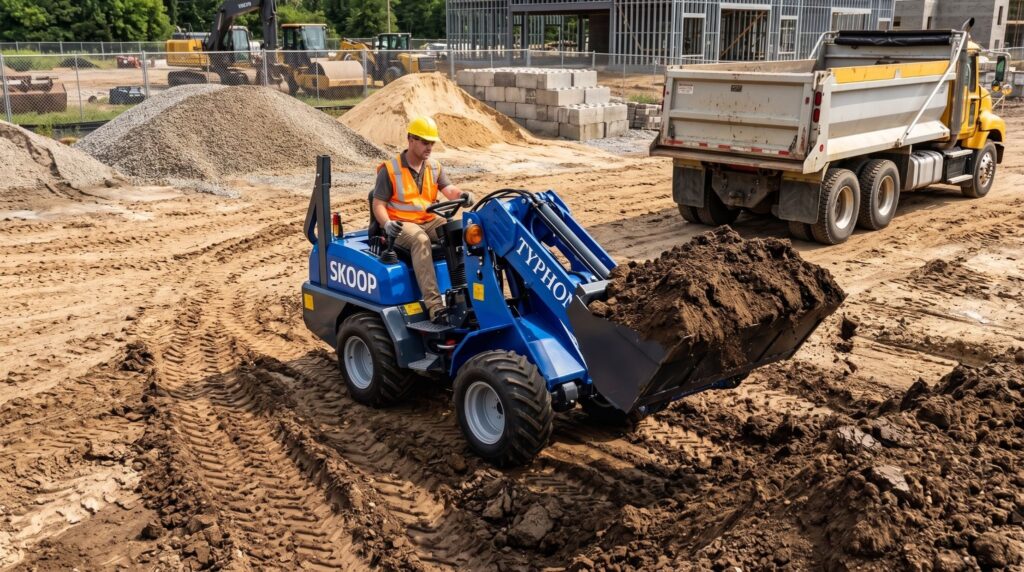
One operator in a wheel loader moves material that would take a whole crew with shovels and wheelbarrows. That lets you assign your people to skilled tasks instead of burning hours on hauling.
Fewer workers tied to material handling means lower labor costs, less fatigue, and a crew that stays productive through the full day. The machine does the grinding work so your team doesn’t have to.
Keep Projects On Schedule
Material handling delays can quickly affect every stage of a construction project, slowing crews and pushing back important milestones. A wheel loader keeps materials moving efficiently so concrete pours, framing, finishing work, and other operations can continue without unnecessary interruptions. By keeping trucks unloaded, supplying crews with materials, speeding up cleanup between phases, and restoring site access after bad weather, the machine helps maintain a steady workflow across the jobsite.
Reducing material-handling bottlenecks improves productivity, minimizes equipment and labor downtime, and keeps projects on schedule. With faster loading, transport, and cleanup, a wheel loader helps control operating costs while supporting more efficient project completion.
Conclusion
A wheel loader earns its place on a jobsite by doing what slows every project down: moving material fast, prepping and grading the ground, adapting to nearly any task with the right attachment, and cutting the labor costs that erode your margins. Together, those strengths keep crews productive, trucks loaded, and timelines intact.
Matching the machine and attachments to your most common tasks is key to getting the best return, especially when it’s used to eliminate delays in material handling and site preparation. By placing a wheel loader where bottlenecks occur, you can reduce downtime, control labor costs, and keep projects moving efficiently from start to finish. Before your next job, assess where time is being lost on your site and consult with an equipment specialist to select the right size, attachments, and configuration so the machine is properly matched to your workflow and keeps your operations productive.
Frequently Asked Questions
What size wheel loader is right for a construction site?
It depends on your material volume and space. Compact and small wheel loaders suit tight sites and lighter loads, while medium and large models handle high-volume loading and heavy material. Match bucket capacity and operating weight to your typical workload and the ground conditions you work in.
How is a wheel loader different from a skid steer?
A wheel loader is larger, carries heavier loads, and moves material faster over longer distances, making it ideal for high-volume work. A skid steer is smaller and more maneuverable in tight spaces. Many sites use both, with the loader handling bulk material and the skid steer working in confined areas.
Can a wheel loader be used for grading?
Yes, for rough grading and site leveling. A wheel loader spreads, pushes, and levels large volumes of material efficiently. For fine, precise finish grading, a motor grader or a machine with grading-specific attachments gives you tighter control, but the loader handles the bulk of the earthmoving.
What maintenance does a wheel loader need?
Routine care keeps a loader reliable and safe. Check fluid levels, tires, and the hydraulic system daily, inspect the bucket and attachment pins, and follow the manufacturer’s service intervals for filters, lubrication, and inspections. Consistent upkeep reduces downtime and protects your investment over the long haul.