Wheel Loader Maintenance Tips: Eradicating Jobsite Downtime
When heavy machinery fails on a construction site, the financial impact extends far beyond the cost of replacement parts. Jobsite downtime halts project momentum, idles your crew, and damages your reputation for reliability. Your wheel loaders are the workhorses of your operation, and their continuous performance is non-negotiable for maintaining total operating efficiency.
Eradicating unexpected breakdowns requires a proactive, uncompromising approach to heavy equipment care. Waiting for a component to fail before addressing it is not a strategy; it is a liability. By implementing strict, standardized maintenance protocols, you protect your capital investment and ensure your operators remain safe and productive.
This comprehensive guide delivers actionable wheel loader maintenance tips designed for fleet managers, owners, and operators. You will learn how to master daily inspections, monitor vital fluids, protect hydraulic systems, and develop a bulletproof preventative maintenance plan. By applying these straightforward strategies, you will maximize your machine lifespan and eliminate costly delays.
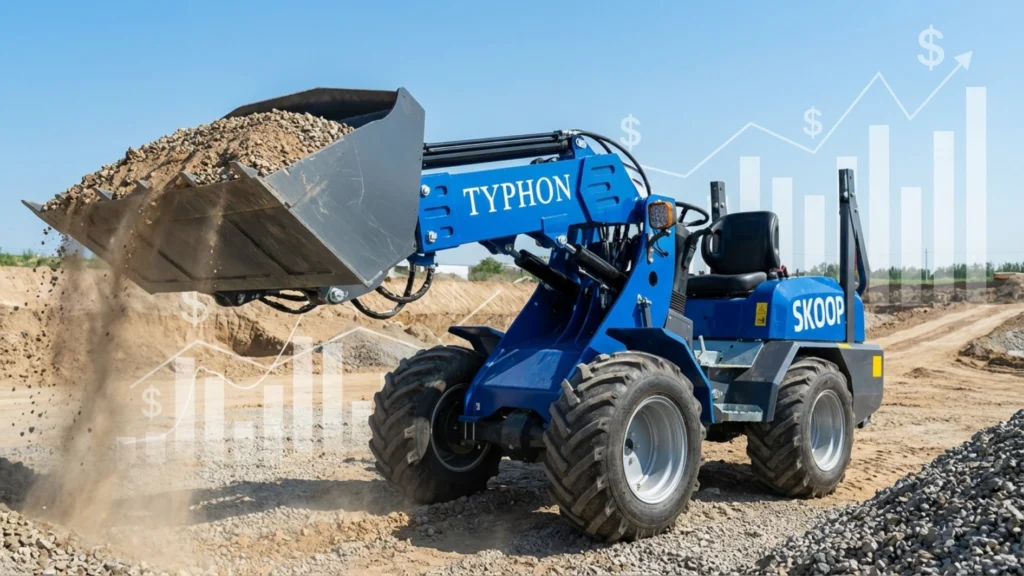
The Financial Impact of Heavy Equipment Maintenance
Every hour a wheel loader sits idle, your business bleeds revenue. Unplanned jobsite downtime forces you to pay operators who cannot work, delays dependent project phases, and often requires expensive emergency mechanic dispatch fees.
Conversely, excellent heavy equipment maintenance acts as a profit multiplier. Well-maintained wheel loaders consume less fuel, operate at peak hydraulic efficiency, and retain a significantly higher resale value. A well-executed maintenance program transitions your fleet from a reactive repair model to a proactive performance model. This operational shift provides peace of mind, knowing your equipment will perform flawlessly when you need it most.
Daily Inspections: The First Line of Defense
The most effective way to prevent catastrophic failures is to identify minor issues before they escalate. A comprehensive daily walkaround inspection must become a mandatory habit for every operator before they turn the ignition key.
Structuring the Walkaround
Train your operators to inspect the wheel loader systematically, moving in the same direction around the machine every time. They should look for obvious physical damage to the bucket, loader arms, and articulation joint. Inspect all structural welds for hairline cracks, which can rapidly spread under the immense stress of heavy lifting.
Check underneath the machine for fresh fluid drips or pooling. Identifying a small hydraulic leak early prevents a blown hose during a critical lifting operation. Require operators to log their daily inspections using a standardized checklist, ensuring accountability and creating a reliable paper trail for your maintenance department.
Fluid Monitoring
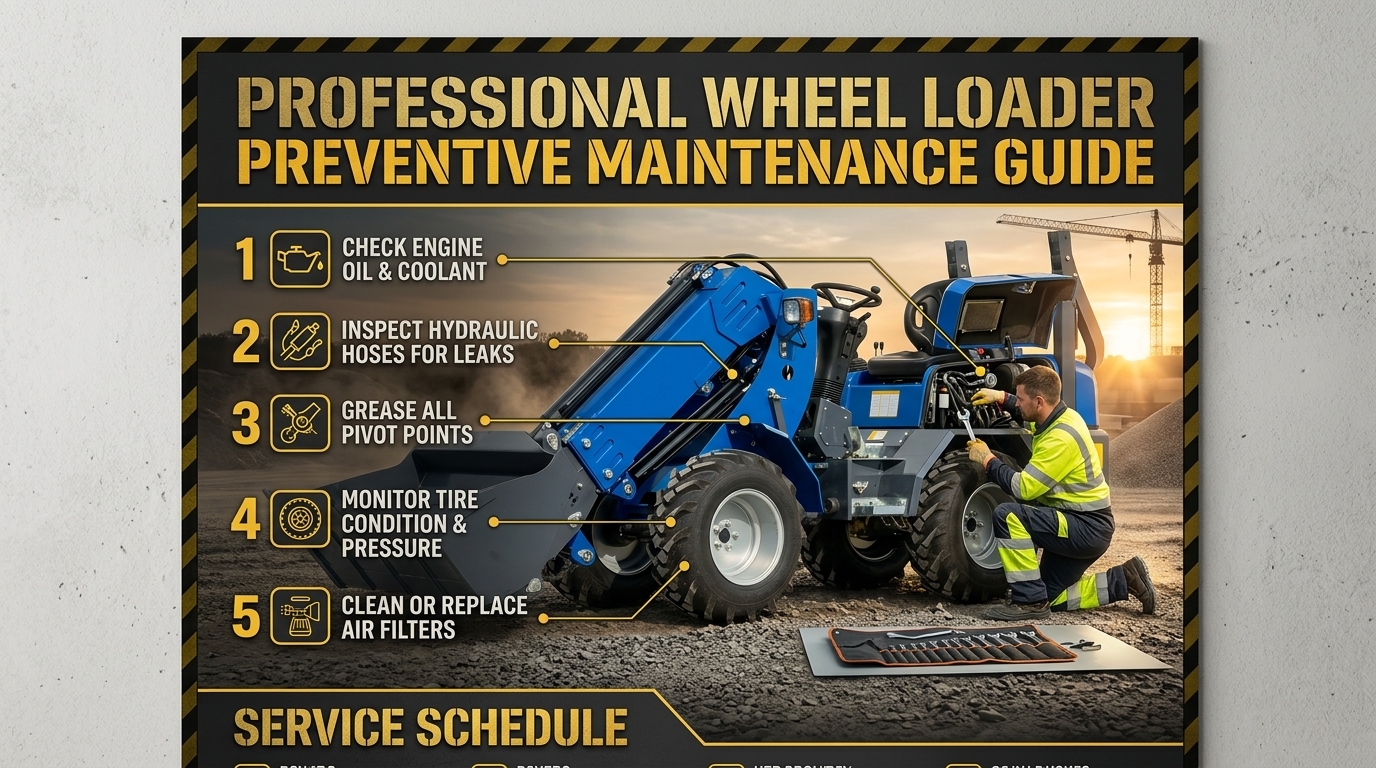
Fluids serve as the lifeblood of your wheel loader. Operators must check the engine oil, engine coolant, and hydraulic fluid levels daily. Running a loader with insufficient fluid levels causes catastrophic internal damage in a matter of hours.
When monitoring fluids, operators must look beyond the volume and inspect the quality. Engine oil that appears milky indicates a severe coolant leak, while burnt-smelling hydraulic fluid suggests internal system overheating. Catching these fluid degradation signs early allows you to schedule repairs on your terms, rather than dealing with a seized engine in the middle of a busy jobsite.
Prioritizing Proper Lubrication
Friction destroys heavy machinery. Your wheel loader endures immense physical stress, extreme loads, and continuous articulation during every single shift. Proper lubrication is the single most critical action for preventing metal-on-metal wear and extending your machine lifespan.
Greasing the Articulation Joint and Loader Arms
The central articulation joint and the loader arm pivot pins endure the highest levels of mechanical stress. These components require fresh grease daily to push out highly abrasive dirt, sand, and moisture. If operators neglect these grease points, the abrasive materials act like sandpaper, rapidly destroying the expensive bushings from the inside out.
Always wipe the grease zerks completely clean before attaching the grease gun. Pushing surface dirt into the fitting defeats the entire purpose of lubrication. Pump fresh grease into the joint until you see a small amount of clean grease purge from the edges of the bushing.
Utilizing the Correct Lubricants
Never compromise on lubricant quality to save a few dollars. Modern wheel loaders operate under extreme pressures and require specialized synthetic greases designed to withstand high temperatures and massive shock loads. Consult your manufacturer’s operator manual and exclusively use the exact lubricant grades recommended for your specific machine and climate.
Tire Care and Undercarriage Health
Wheel loaders rely entirely on their tires for traction, stability, and pushing power. Neglecting tire health severely compromises machine performance, increases fuel consumption, and poses a massive safety hazard to the operator.
Monitoring Tire Pressure
Incorrect tire pressure drastically alters how a wheel loader handles heavy loads. Underinflated tires cause the sidewalls to flex excessively, generating dangerous heat and increasing the risk of a catastrophic blowout. Overinflated tires reduce the machine’s footprint, leading to severe traction loss and accelerated tread wear on aggressive surfaces like blasted rock or demolition debris.
Check tire pressures weekly using a heavy-duty commercial gauge. Adjust the pressure according to the manufacturer’s specifications and the specific application of the machine. If you operate in highly abrasive environments, consider investing in solid tires or foam-filled pneumatic tires to eliminate puncture risks entirely.
Inspecting for Physical Damage
Inspect the tire treads and sidewalls daily for deep cuts, missing chunks of rubber, or embedded debris. If you spot a deep gash that exposes the internal steel cording, the tire must be replaced immediately to prevent an explosive failure under load. Ensure the wheel lug nuts are torqued to the correct specifications, as loose wheels can shear off the mounting studs during heavy operations.

Hydraulic System Checks
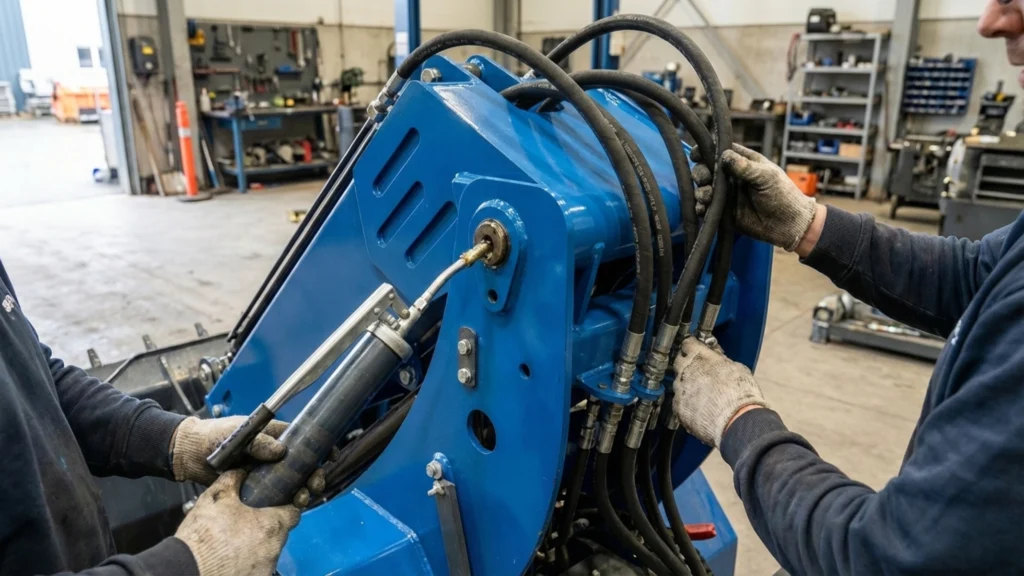
The hydraulic system provides the raw lifting and pushing power that makes your wheel loader valuable. Protecting this complex system requires strict cleanliness and regular preventative maintenance.
Protecting Hydraulic Hoses and Cylinders
Inspect all visible hydraulic hoses for signs of chafing, cracking, or swelling. A swollen hose indicates that the internal wire braiding has failed, and the hose is preparing to burst under pressure. Replace damaged hoses immediately before they rupture and contaminate your jobsite with expensive hydraulic fluid.
Examine the chrome rods on the lift and tilt cylinders. They should be perfectly smooth and free of deep scratches or pitting. A damaged cylinder rod will rapidly destroy the internal hydraulic seals, leading to massive fluid leaks and a complete loss of lifting power.
Hydraulic Filter Replacements
Over time, microscopic metal shavings and environmental contaminants bypass the seals and enter the hydraulic fluid. This abrasive slurry will destroy expensive hydraulic pumps and valve banks if left unchecked. Adhere strictly to the manufacturer’s recommended intervals for replacing hydraulic filters and draining the hydraulic tank. We strongly advise sending fluid samples to a laboratory for analysis, which helps identify abnormal internal wear long before a pump fails.
The Role of Operator Habits
The best maintenance program in the world cannot compensate for a reckless or untrained operator. Operator behavior directly dictates the lifespan and reliability of your construction equipment.
Eliminating Destructive Habits
Train your operators to treat the equipment with respect. They should never use the loader bucket to pry massive boulders loose using only one corner of the bucket, as this exerts severe twisting forces on the loader arms and articulation joint. Furthermore, operators must allow the engine to idle for a few minutes before shutting it down. This crucial cool-down period allows the turbocharger to slow down and prevents oil from baking onto the internal engine bearings.
Promoting Ownership and Accountability
When operators feel a sense of ownership over their assigned machine, they take better care of it. Encourage operators to report minor issues immediately without fear of reprimand. A culture of accountability ensures that a slightly loose belt or a small coolant drip is addressed in the shop, rather than becoming a massive failure on the jobsite.
Developing a Preventative Maintenance Plan
Eradicating jobsite downtime requires moving away from reactive repairs and committing entirely to preventative maintenance. A structured plan ensures that your equipment receives the necessary care at the exact right time.
Scheduled Servicing Intervals
Every wheel loader comes with an operator’s manual detailing precise service intervals based strictly on engine hours. Never treat these intervals as mere suggestions. Schedule engine oil changes, fuel filter replacements, and major hydraulic services well in advance. If your crew operates in extreme environments, such as highly dusty agricultural sites or corrosive salt-handling facilities, you must shorten these service intervals to protect the machine.
Utilizing Telematics
Modern wheel loaders feature advanced telematics systems that transmit vital machine data directly to your fleet management dashboard. Utilize this technology to monitor engine hours, fuel consumption, and active fault codes remotely. Telematics allow you to schedule maintenance precisely when it is needed, order replacement parts in advance, and dispatch mechanics before a minor fault code turns into a major breakdown.
Key Takeaways for Wheel Loader Maintenance
To secure the reliability of your fleet and protect your business from costly delays, implement these core strategies immediately:
- Mandate Daily Walkarounds: Force operators to conduct documented daily inspections to catch small fluid leaks, structural cracks, and loose components.
- Lubricate Relentlessly: Grease articulation joints and pivot pins daily to purge dirt and prevent catastrophic metal-on-metal wear.
- Monitor Tire Health: Maintain exact tire pressures and inspect treads daily to ensure optimal traction, fuel efficiency, and safe lifting stability.
- Protect the Hydraulics: Replace hydraulic filters strictly on schedule and replace chafed hoses before they burst under pressure.
- Train Your Operators: Eradicate destructive operating habits and build a company culture that prioritizes machine care and immediate reporting of minor issues.
Conclusion
Implementing a rigorous, uncompromising approach to heavy equipment maintenance is the absolute most effective way to eliminate jobsite downtime. By focusing on practical wheel loader maintenance tips—from daily fluid checks to advanced telematics tracking—you empower your team to keep projects moving forward efficiently and safely.
Take the time today to review your current preventative maintenance schedules. Ensure your operators have the necessary checklists, high-quality lubricants, and training required to protect your capital investment. When you prioritize reliable equipment care, you build a foundation of unwavering operational success and unmatched profitability for your entire organization.