Ultimate Wheel Loader Guide: Types, Uses & Tips
The heavy machinery you choose determines the effectiveness and profitability of your construction projects. One of the most useful and necessary tools on any active job site is a wheel loader. A machine built for performance and durability is necessary to move heavy materials swiftly and safely.
This thorough guide provides the professional insights you require to fully comprehend the capabilities of these formidable machines. We will examine the various sizes that are available, ranging from large earthmoving models to the agile mini wheel loader. Additionally, you will learn how to match particular features to the demands of your everyday operations.
Discover the main applications, key advantages, and crucial wheel loader maintenance procedures by reading on. This guide will equip you with the knowledge necessary to invest in equipment that maximizes your operational uptime.
What is a wheel loader?
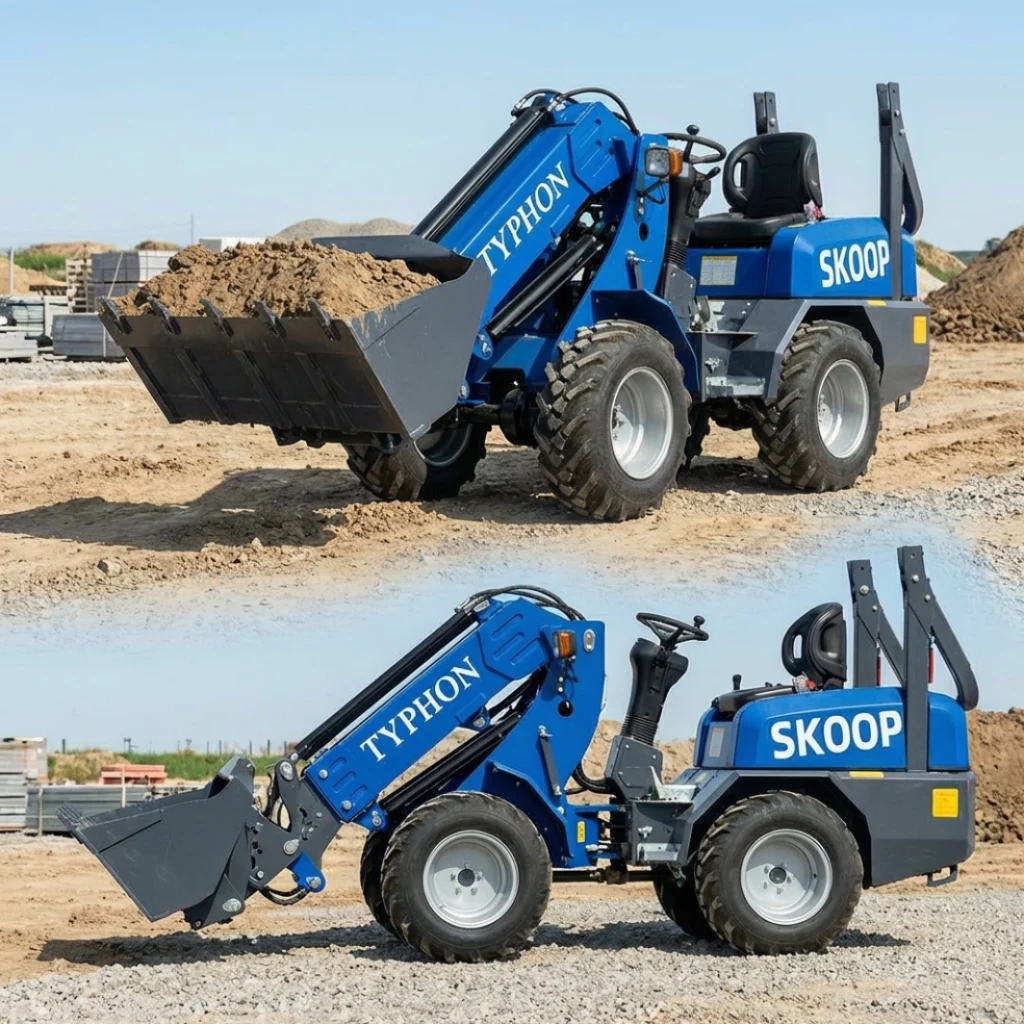
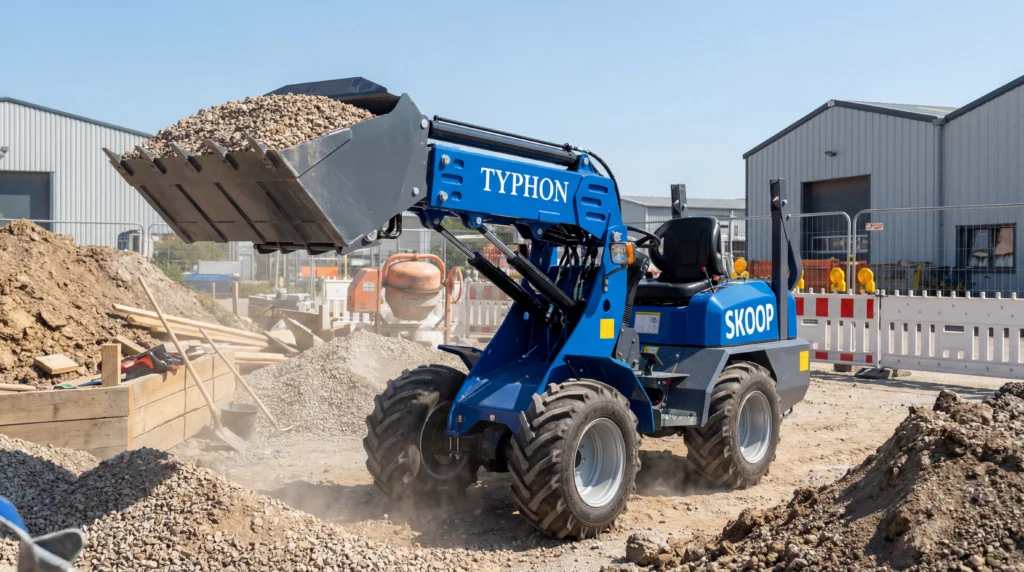
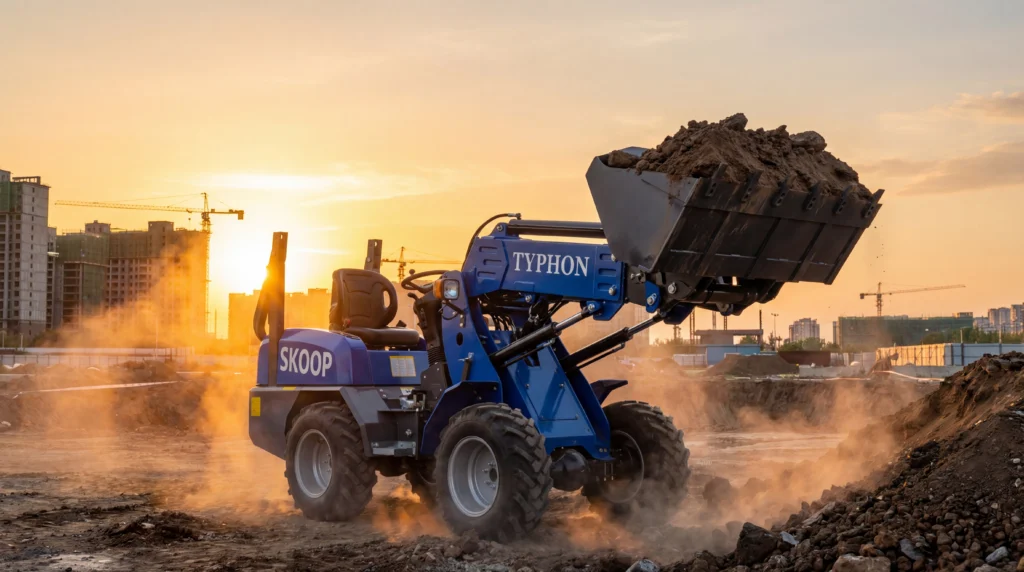
A wheel loader is heavy-duty mobile equipment primarily used for scooping, transporting, and loading materials. Unlike tracked machines, it has four large, rugged tires that provide excellent mobility over various terrains. The front end has a wide bucket mounted on powerful lifting arms, allowing operators to move large amounts of material in a single pass.
These machines steer with an articulated joint located in the center of the chassis. This design enables the front and rear axles to pivot independently. Articulated steering allows for a tight turning radius and excellent maneuverability, even when carrying heavy loads in confined spaces.
Manufacturers design these loaders to withstand the harshest physical conditions. They have reinforced steel frames, large hydraulic systems, and powerful diesel or electric powertrains. The wheel loader’s speed, lifting capacity, and mobility make it indispensable in construction, mining, and agricultural operations.
Core Types of Wheel Loaders
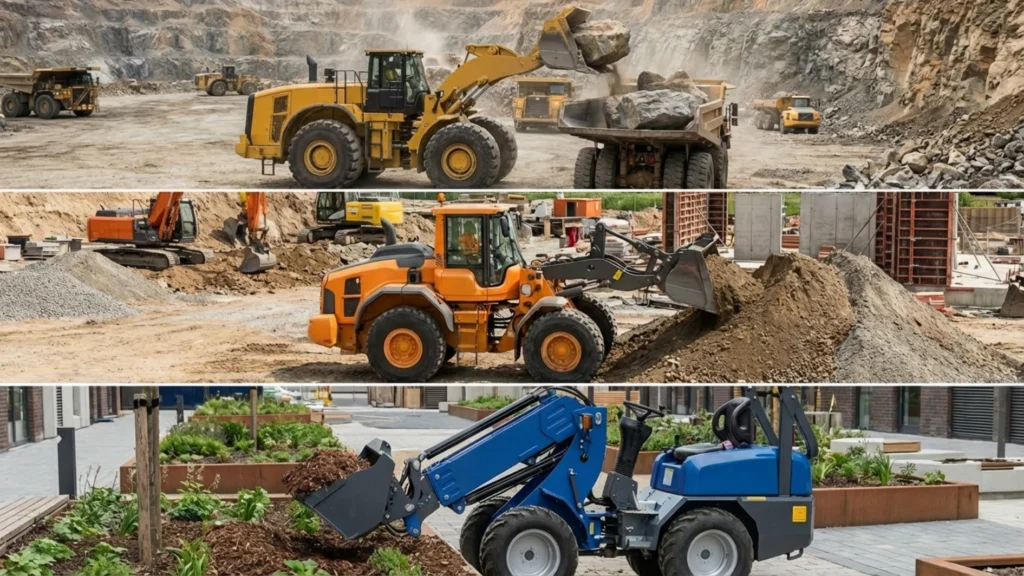
Matching the machine size to your specific job site guarantees maximum efficiency. Equipment manufacturers categorize loaders primarily by their engine horsepower, operating weight, and bucket capacity. Understanding these categories helps you allocate your capital effectively.
The Mini Wheel Loader
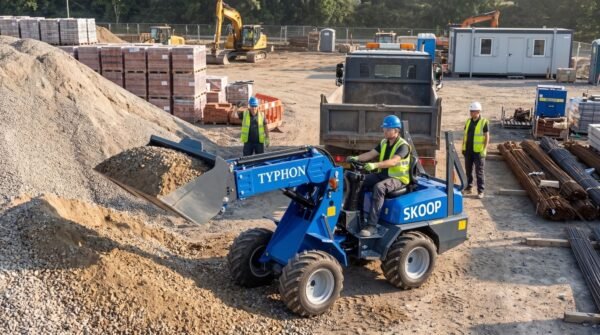
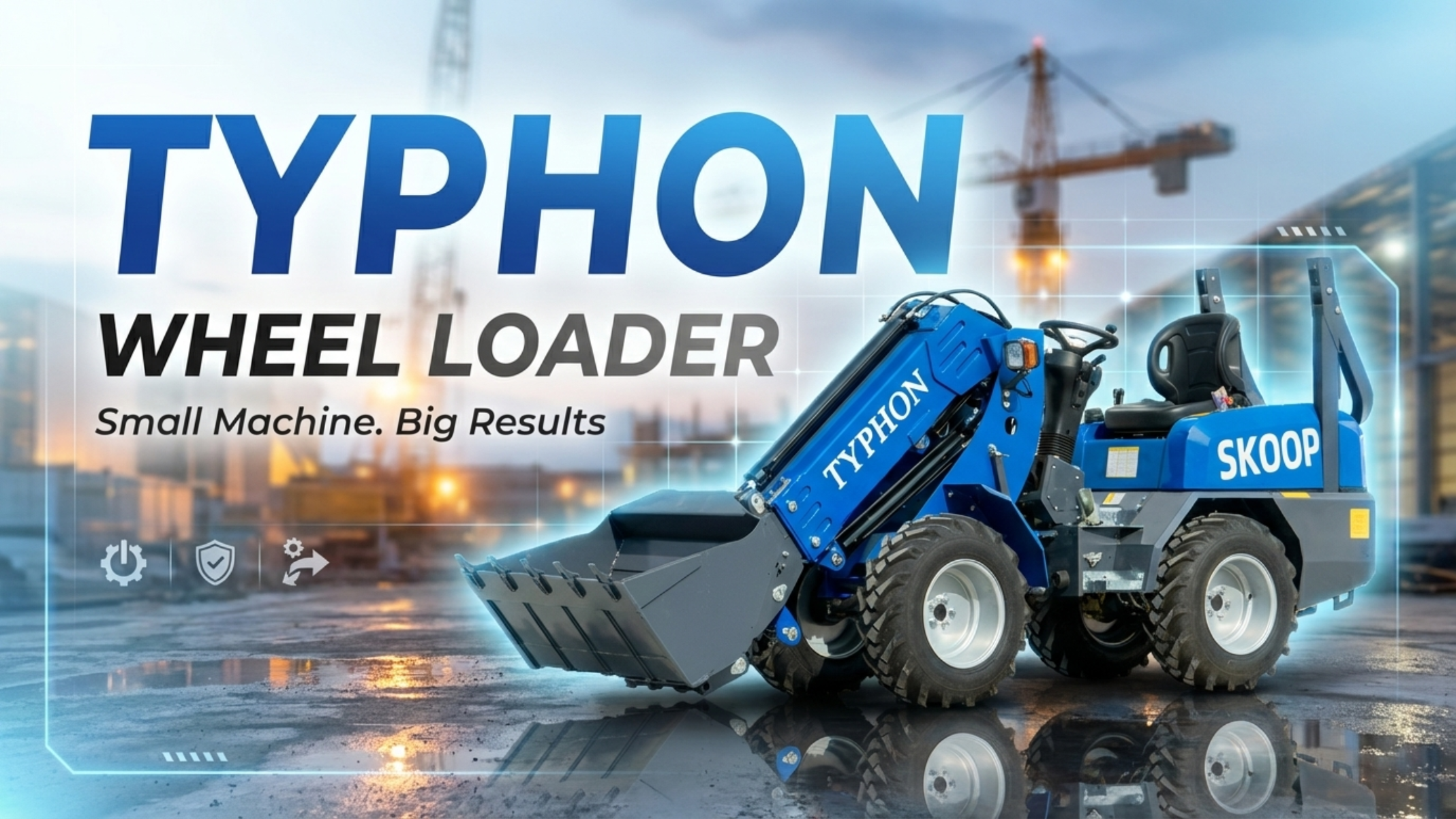
The mini wheel loader is the perfect solution for tight spaces and weight-restricted areas. These machines typically offer under 50 horsepower and feature highly compact frames. Landscapers and residential contractors rely on them to move soil, mulch, and pallets without destroying finished driveways or delicate turf.
Despite their small stature, mini loaders deliver impressive breakout force. They often feature hydrostatic transmissions for smooth, infinite speed control. If your crew currently relies on manual labor or wheelbarrows to move materials through narrow gates, a mini wheel loader will drastically accelerate your project timelines.
The Compact Loader
A compact loader bridges the gap between mini machines and standard heavy-duty models. Operating in the 50 to 100 horsepower range, these loaders provide serious lifting capabilities while remaining easy to transport on a standard utility trailer.
Compact loaders excel in utility work, urban construction, and snow removal. They feature robust auxiliary hydraulics, allowing them to power demanding attachments like sweepers, cold planers, and snow blowers. Investing in a compact loader gives you a highly versatile tool carrier that can handle diverse tasks across all four seasons.
Mid-Size Wheel Loaders
Mid-size models are the workhorses of commercial construction and large-scale material handling. Ranging from 100 to 250 horsepower, these machines move massive stockpiles of gravel, sand, and dirt quickly. They feature heavy-duty torque converter transmissions designed to push deep into dense material piles.
You will find mid-size loaders operating in batch plants, pipe-laying operations, and highway construction zones. They offer a perfect balance of high-speed travel and immense lifting power. These models also feature spacious, climate-controlled cabs to reduce operator fatigue during long shifts.
Large and Heavy-Duty Loaders
Large wheel loaders dominate mining sites, quarries, and massive earthmoving projects. Producing well over 250 horsepower, these behemoths load heavy off-highway dump trucks with unmatched speed. Everything on a large loader is supersized, from the reinforced Z-bar linkage to the massive rock-tread tires.
Operating a machine of this size requires extensive training and strict safety protocols. They represent a major capital investment. However, for operations that process thousands of tons of material daily, the sheer volume moved per cycle guarantees a rapid return on investment.
Primary Uses and Applications
The true value of a wheel loader is its adaptability. By adjusting the front attachment, you can instantly change the machine’s primary function. This versatility eliminates the need to buy several specialized machines for a single job site.
Stockpiling and Truck Loading
The most common application is to load loose materials into articulated dump trucks or hopper bins. The loader drives into a pile of aggregate, curls the bucket to secure the load, and then reverses to approach the truck. This process is incredibly efficient due to its high dump clearances and rapid hydraulic cycle times.
Job Site Preparation and Clearing
Before major construction begins, contractors use loaders to clear debris, strip topsoil, and grade the land. A loader equipped with a root grapple can easily remove felled trees, brush, and large boulders. The machine’s weight and power also make it highly effective for backfilling deep trenches safely.
Snow Removal Operations
In colder climates, loaders provide a lucrative revenue stream during the winter months. A compact loader fitted with a hydraulic snow pusher clears massive commercial parking lots much faster than a standard pickup truck. The elevated cab provides excellent visibility, ensuring the operator can navigate around light poles and curbs covered by heavy snow.
Essential Features to Consider
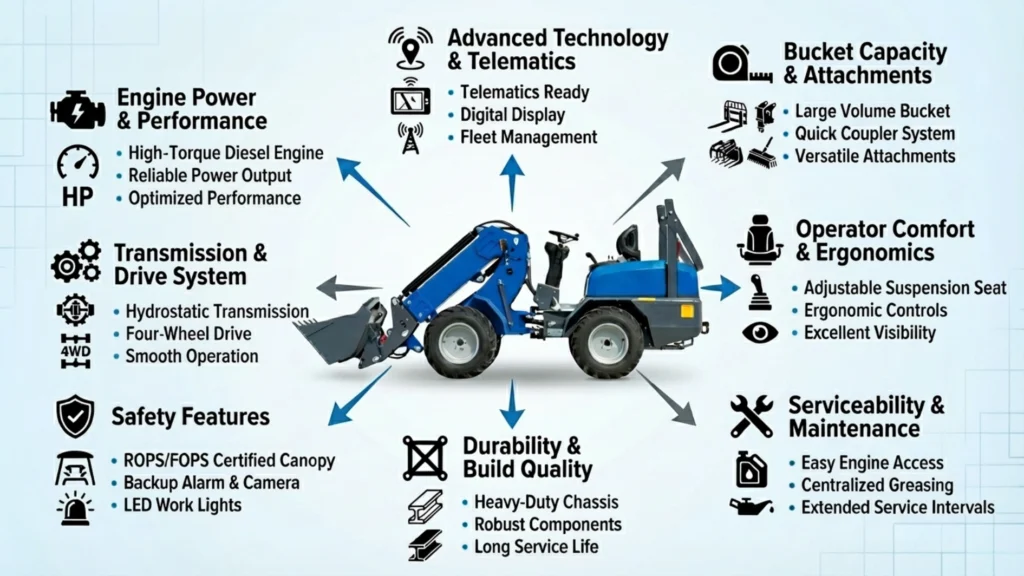
When evaluating different models, you must look closely at the technical specifications. The right features protect your operators, lower your fuel costs, and increase your daily material output.
Kinematics and Linkage Design
The loader linkage determines how the machine handles different types of loads. The Z-bar linkage is the industry standard for aggressive digging and earthmoving. It delivers the highest breakout force at the bucket cutting edge.
Alternatively, the parallel lift linkage keeps the load perfectly level throughout the entire lifting cycle. This design is crucial if your operators spend most of their day using pallet forks to move brick, block, or pipe. It prevents heavy materials from sliding backward onto the cab.
Advanced Operator Comfort
Operator comfort directly correlates with site safety and productivity. Modern cabs feature air-suspension seats, automatic climate control, and low-effort joystick steering. Reduced cabin noise and minimal vibration keep operators focused and alert during extended shifts.
Excellent visibility is another critical safety feature. Look for machines with lowered rear hoods, heated mirrors, and standard rearview camera systems. High-quality LED work lights are also essential for operations that run before sunrise or late into the night.
Telematics and Fuel Efficiency
Fuel represents one of your largest ongoing operational expenses. Modern diesel engines utilize advanced fuel injection and idle-management software to minimize consumption. Furthermore, standard telematics systems track the machine’s location, fuel usage, and idle time.
Fleet managers use this data to identify inefficient operating habits and correct them. Telematics also provide critical diagnostic alerts. If engine oil pressure drops or transmission temperatures spike, the system instantly notifies your maintenance team, preventing catastrophic component failure.
Key Benefits of Adding a Wheel Loader to Your Fleet
Investing in heavy machinery requires careful financial calculation. However, the operational benefits of a high-quality loader quickly justify the initial acquisition cost.
First, you gain massive improvements in material handling speed. A loader moves more volume in five minutes than a manual crew can move in an entire day. This acceleration allows you to bid on larger projects and complete them ahead of schedule.
Second, you reduce physical strain and injury risks for your workforce. Relying on machinery for heavy lifting protects your crew from chronic back injuries and exhaustion. A safe, healthy crew is more reliable and productive.
Finally, wheel loaders hold their resale value exceptionally well. As long as you adhere to strict maintenance schedules, you can easily trade the machine in or sell it on the secondary market when it is time to upgrade.
Wheel Loader Maintenance: Maximizing Uptime
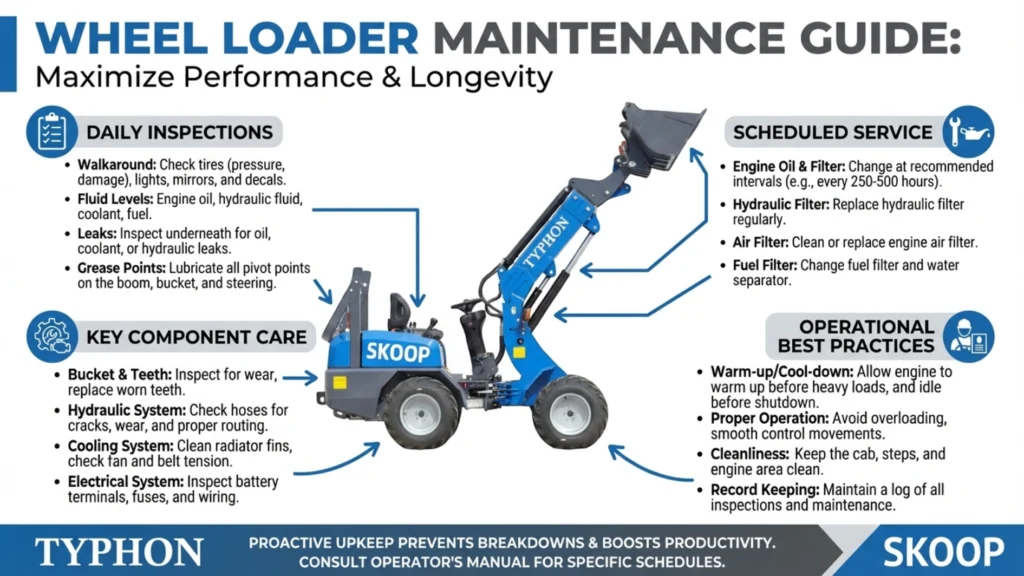
A broken machine brings your entire job site to a halt. Consistent, rigorous wheel loader maintenance is the only way to protect your investment and ensure reliable daily performance.
The Daily Walkaround Inspection
Every operator must perform a visual inspection before starting the engine. This daily habit catches small issues before they escalate into expensive repairs.
- Check engine oil, hydraulic fluid, and coolant levels.
- Inspect all hydraulic hoses for signs of chafing, cracking, or active leaks.
- Verify tire pressure and inspect the sidewalls for deep cuts or embedded debris.
- Ensure all lights, backup alarms, and safety features function correctly.
Proper Lubrication Routines
Loaders endure immense friction at their pivot points. The loader arm pins, bucket cylinder pins, and the central articulation joint require constant lubrication. Grease these critical areas daily, or according to the manufacturer’s specific guidelines. Failing to grease the machine results in premature metal wear and extremely costly pin replacements.
Scheduled Preventative Service
Never ignore the service intervals outlined in your owner’s manual. Change the engine oil, fuel filters, and hydraulic filters exactly when recommended. In highly dusty environments, you must check and replace engine air filters far more frequently. A clogged air filter starves the engine of oxygen, destroying fuel efficiency and internal components.
Partner with a certified equipment dealer for major milestone services. Their technicians have the specialized diagnostic software required to update the machine’s computer systems and calibrate the electro-hydraulic controls.
How to Choose the Right Machine for Your Job Site
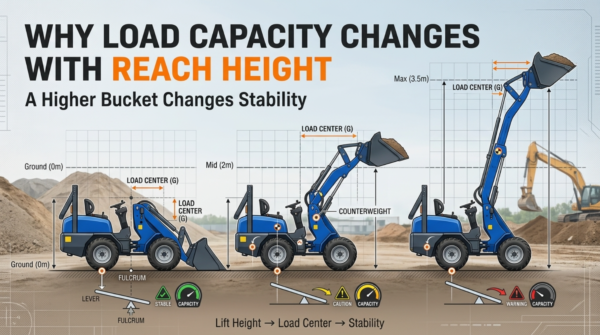
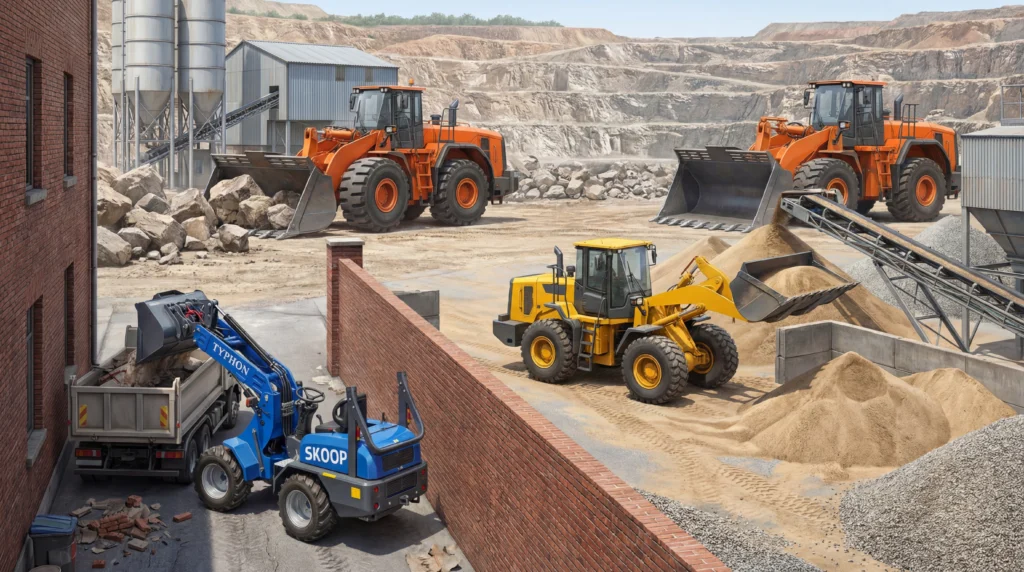
Selecting the perfect loader requires a careful analysis of your specific operational constraints. Begin by calculating the maximum weight you need to lift on a routine basis. You must choose a machine with an articulated tipping load that safely exceeds your heaviest standard material load.
Next, measure your physical working environment. Ensure the machine you select can pass through any existing gates, maneuver around permanent structures, and safely travel on your designated access roads. You must also verify that the loader’s maximum dump height easily clears the sideboards of your tallest dump trucks.
Finally, request an on-site demonstration from your local equipment dealer. Specifications on a brochure cannot replace the physical experience of running the machine. Have your most experienced operator test the loader in your actual working conditions to confirm it meets your standards for power, visibility, and control.
Conclusion
A high-performance wheel loader serves as the heartbeat of a productive construction site. By understanding the distinct advantages of mini loaders, compact models, and heavy-duty earthmovers, you position your company to tackle any material handling challenge with confidence.
We encourage you to prioritize advanced kinematics, operator comfort, and robust telematics when evaluating new equipment. Remember that acquiring the machine is only the first step; committing to strict wheel loader maintenance protocols guarantees long-term reliability and an excellent return on your investment.
Evaluate your current project pipeline, consult your operators, and connect with a trusted local dealer to explore your equipment options. Taking a strategic, informed approach to your next machinery purchase will elevate your site efficiency, protect your crew, and drive your operational success forward.