Common Wheel Loader Problems and Solutions That Actually Work on Real Sites
It usually doesn’t happen at a convenient time. A wheel loader starts losing power halfway through loading trucks, or hydraulic movements suddenly feel slow and unresponsive. The jobsite doesn’t stop—but the machine does, and every minute of downtime starts costing money.
On real construction and material handling sites, wheel loaders are pushed hard. They deal with dust, heavy loads, uneven terrain, and long operating hours. Small issues can quickly turn into major failures if they’re ignored or misunderstood.
What many operators and even site managers get wrong is assuming that performance loss or strange behavior is just “normal wear.” In reality, most problems start small and give warning signs early—if you know what to look for.
Understanding common wheel loader problems and solutions isn’t just about fixing machines. It directly impacts fuel efficiency, project timelines, maintenance costs, and overall productivity. When you can identify issues early and apply the right solution, you keep the job moving—and protect your equipment investment.
Engine Power Loss and Performance Issues
It often starts with a simple observation: the machine feels weaker than usual. It struggles when climbing, takes longer to fill the bucket, or burns more fuel for the same work.
Engine power loss is one of the most common issues on wheel loaders, and it’s rarely caused by a single failure. In real-world conditions, it’s usually the result of restricted airflow, poor fuel delivery, or overheating.
Dusty environments clog air filters faster than expected. When airflow is restricted, the engine can’t produce proper combustion, which leads to reduced power. Similarly, dirty fuel filters or contaminated fuel can limit fuel flow, making the engine feel sluggish.
Overheating is another hidden factor. When the cooling system is compromised—whether from low coolant levels, blocked radiators, or faulty fans—the engine automatically reduces performance to protect itself.
The impact is immediate. Slower cycle times mean fewer loads per hour. Increased fuel consumption drives up operating costs. And prolonged strain can lead to more serious engine damage.
Addressing this issue early—by maintaining filters, monitoring temperature, and ensuring proper fuel quality—keeps the machine running efficiently and prevents bigger failures down the line.

Hydraulic System Failures and Slow Response
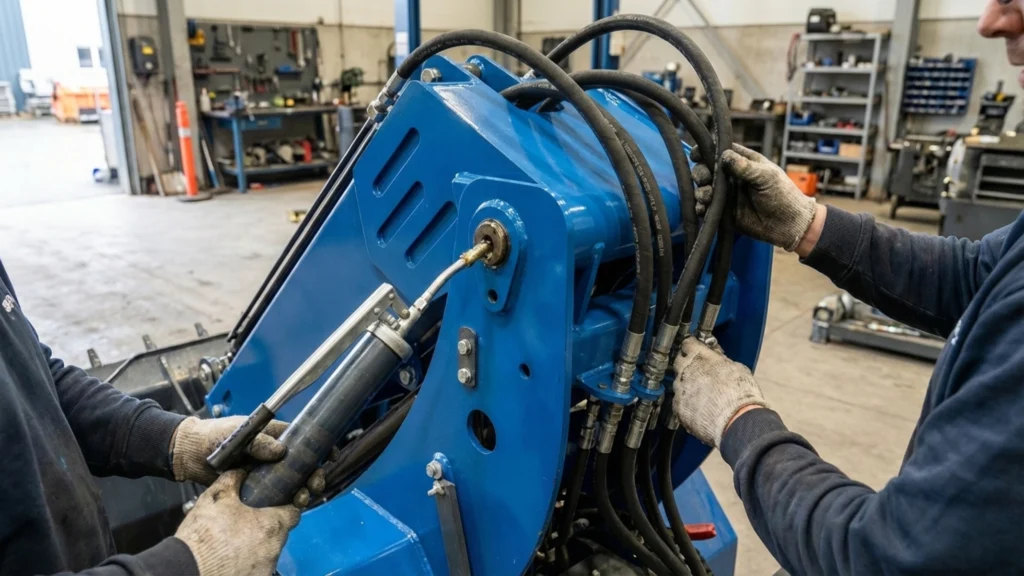
Once engine performance is stable, the next level of problems usually shows up in the hydraulics. Operators notice it right away: the bucket lifts slower, tilting feels delayed, or controls become less precise.
Hydraulic systems are the core of a wheel loader’s functionality. When they don’t perform properly, the entire machine becomes inefficient.
In real jobsite conditions, hydraulic issues are often caused by low fluid levels, contaminated oil, or worn components like pumps and valves. Even small leaks can reduce pressure, leading to noticeable performance loss.
Temperature also plays a role. Overheated hydraulic oil loses its viscosity, reducing efficiency and increasing wear on internal components. This is especially common during long working hours or in hot environments.
The difference between a healthy and failing hydraulic system is significant. A well-maintained system ensures smooth, fast movements, while a failing one slows down operations and increases operator fatigue.
Fixing hydraulic problems requires more than just topping up fluid. Regular inspection, proper oil changes, and monitoring system pressure are essential to maintaining consistent performance.
Transmission and Gear Shifting Problems
As workloads increase and machines are pushed harder, transmission issues begin to surface. These problems are often overlooked until they become serious.
Operators may notice delayed gear engagement, rough shifting, or even slipping during operation. In busy environments like quarries or large construction sites, this can disrupt workflow significantly.
Transmission problems typically stem from worn clutch components, low transmission fluid, or contaminated oil. In some cases, improper operation—such as aggressive shifting or overloading—can accelerate wear.
Unlike minor performance issues, transmission failures can bring the entire machine to a halt. Repairs are often costly and time-consuming, making prevention critical.
Maintaining proper fluid levels, using the correct oil type, and training operators to handle the machine smoothly can extend transmission life and reduce unexpected downtime.
Tire Wear, Damage, and Stability Issues
In heavy-duty operations, the stress shifts from internal systems to external components—especially tires. Wheel loader tires take constant abuse from rough terrain, sharp materials, and heavy loads.
Uneven wear is one of the first warning signs. It usually indicates improper inflation, poor load distribution, or alignment issues. Ignoring this can lead to reduced traction and compromised stability.
Cuts, punctures, and sidewall damage are also common, especially in environments with rocks or debris. These issues not only affect performance but also pose serious safety risks.
The trade-offs become clear at this level. High-quality, heavy-duty tires cost more upfront, but they last longer and perform better under pressure. Cheaper options may save money initially but lead to frequent replacements and downtime.
Choosing the right tire type and maintaining proper pressure is essential for both safety and efficiency. In demanding conditions, tire management becomes just as important as engine maintenance.
Electrical System and Sensor Failures
Modern wheel loaders rely heavily on electrical systems and sensors. While these systems improve efficiency and control, they also introduce new types of problems.
Faulty sensors can trigger warning lights, limit performance, or even shut down certain functions. Electrical issues may appear as intermittent failures—lights flickering, controls not responding, or systems resetting unexpectedly.
These problems are often caused by damaged wiring, loose connections, or exposure to moisture and dust. Unlike mechanical issues, electrical faults can be harder to diagnose without proper tools.
However, they can’t be ignored. A malfunctioning sensor can affect fuel efficiency, safety systems, and overall machine performance.
Regular inspections, keeping electrical components clean, and addressing warning signals early can prevent small issues from turning into major failures.
Choosing the Right Maintenance and Repair Approach
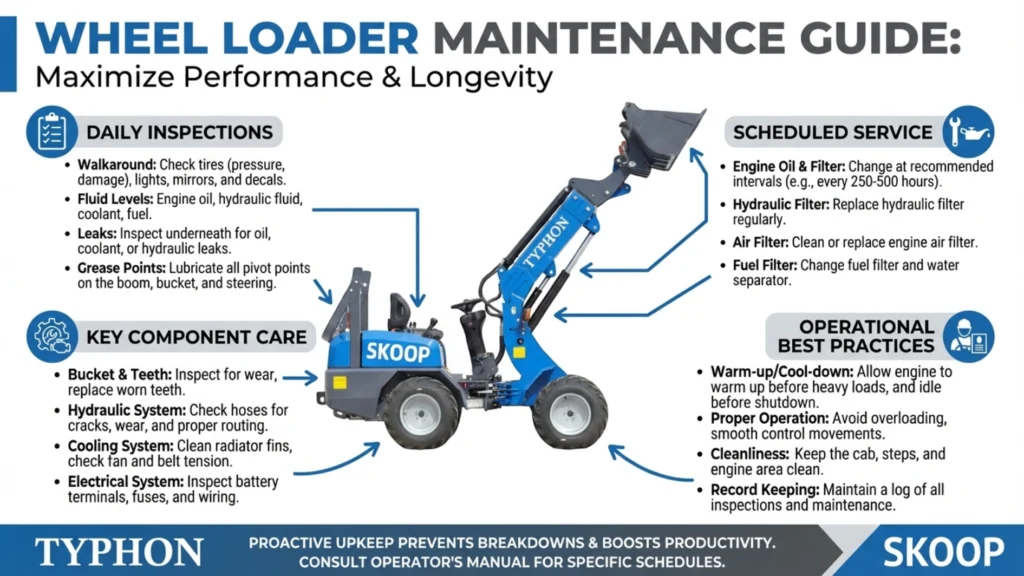
When you look at all these problems together, a clear pattern emerges: most failures are preventable with the right approach.
Choosing how to handle maintenance isn’t about reacting to breakdowns—it’s about understanding daily operations. A machine working in a dusty quarry requires more frequent filter changes than one operating in a controlled environment.
Efficiency comes from consistency. Simple routines like daily inspections, timely oil changes, and proper operator training make a significant difference over time.
Cost also plays a role. Preventive maintenance may seem like an added expense, but it’s far cheaper than major repairs or prolonged downtime.
The key is to focus on real usage, not ideal conditions. Machines don’t fail in theory—they fail on actual jobsites under real pressure.
Conclusion
Wheel loaders are built to handle tough conditions, but they’re not immune to problems. Most issues—whether it’s engine power loss, hydraulic failure, or tire damage—start small and grow over time.
The difference between a reliable machine and a constant headache often comes down to awareness and action. Recognizing early signs and applying the right solutions keeps operations smooth and costs under control.
In the end, choosing the right maintenance strategy matters far more than machine size or specifications. A well-maintained loader will always outperform a neglected one.
Frequently Asked Questions
What are common wheel loader problems and solutions?
It refers to the typical mechanical, hydraulic, and operational issues that occur in wheel loaders, along with practical ways to fix or prevent them in real working conditions.
How do I choose the right wheel loader maintenance approach?
Focus on your daily workload, environment, and machine usage. Regular inspections, proper servicing, and trained operators are more important than following generic schedules.
What is the best solution for wheel loader power loss?
Start with basic checks like air filters, fuel quality, and cooling systems. These are the most common causes and are usually easy to fix.
Is preventive maintenance worth it?
Yes. It reduces downtime, extends machine life, and prevents expensive repairs, making it far more cost-effective in the long run.
What is the difference between hydraulic issues and transmission problems?
Hydraulic issues affect lifting and movement functions, while transmission problems impact driving and gear shifting. Both affect performance but in different ways.