Types of Wheel Loaders Explained: Choosing the Right Machine for Real Work
Walk onto any construction site or material yard, and you’ll likely see a wheel loader at work. It may look simple from a distance—just a machine moving dirt or loading trucks—but the type of wheel loader being used often tells a deeper story about the job itself. The size, power, and design of that machine directly affect how efficiently the work gets done, how much fuel is burned, and how often the operation runs into delays.
Many buyers and even experienced operators make the same mistake early on. They assume a wheel loader is just a wheel loader, and the only real difference is size or price. In reality, choosing the wrong type can slow down production, increase costs, and create unnecessary wear on the machine. The right choice, on the other hand, quietly improves everything—from cycle times to operator comfort—without drawing attention to itself.
Understanding the different types of wheel loaders is not about memorizing categories. It’s about recognizing how each machine fits into real work environments and how those differences show up in daily operations.
Compact Wheel Loaders: Built for Space, Not Scale
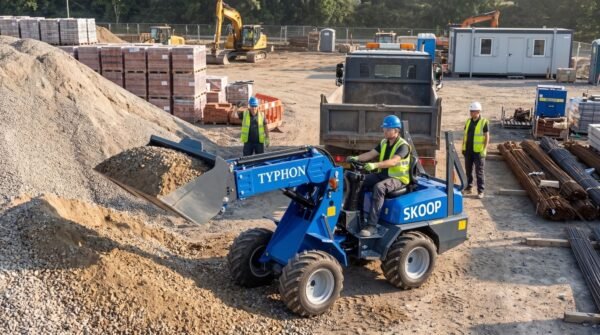
Compact wheel loaders are often underestimated because of their size. On paper, they seem limited—smaller bucket capacity, lower horsepower, and lighter build. But that view changes quickly when you place one on a jobsite where space is tight and movement is restricted.
In urban construction, landscaping projects, or farm environments, space is rarely generous. Materials are stored in narrow areas, access paths are limited, and there’s little room for large equipment to maneuver. This is where compact wheel loaders become not just useful, but necessary.
The real advantage is not just that they fit—it’s that they move efficiently within those constraints. Operators can reposition quickly, work closer to structures, and maintain a steady workflow without constant adjustments. This reduces idle time, lowers fuel consumption, and minimizes the risk of accidental damage around the site.
While they may not handle large-scale loading tasks, their ability to operate smoothly in restricted environments makes them one of the most practical choices for smaller, detail-focused jobs. And that naturally raises the next question—what happens when the job demands more power but still requires flexibility?
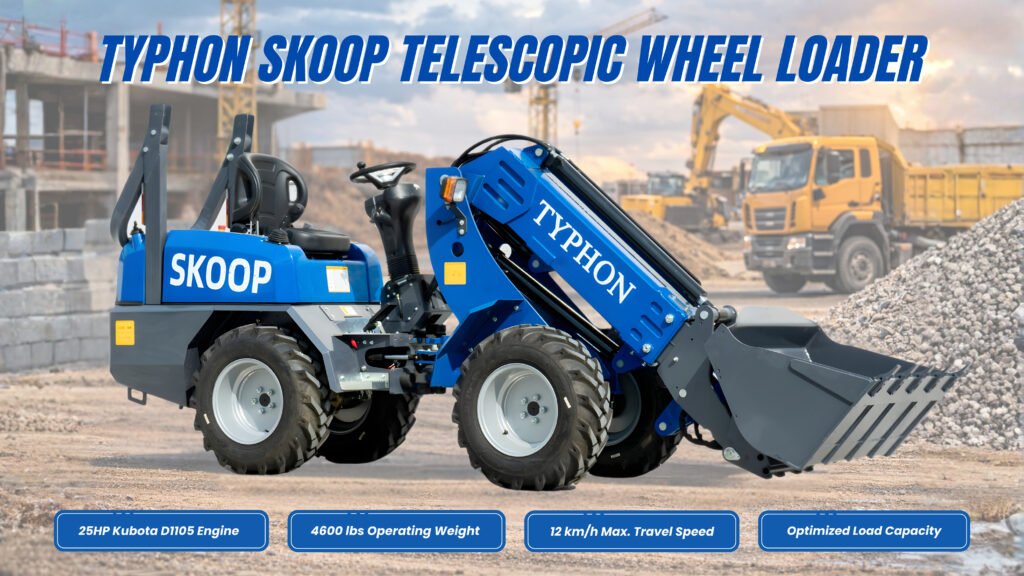
Small Wheel Loaders: Balancing Power and Mobility
As projects grow slightly in scale, the limitations of compact machines start to show. Materials become heavier, workloads increase, and the pace of work demands more consistent output. This is where small wheel loaders step in, offering a balance that many contractors rely on daily.
Small wheel loaders are designed for versatility. They bring enough power to handle tougher materials while still maintaining a manageable size. This balance allows them to move between different types of tasks without becoming inefficient or cumbersome.
In real-world conditions, this flexibility translates into smoother operations. A contractor working on a mid-sized construction site might use the same machine for loading trucks in the morning, moving materials across the site in the afternoon, and handling cleanup tasks later in the day. Instead of switching between multiple machines, one well-chosen loader can handle everything.
This balance reduces equipment costs, simplifies maintenance, and keeps workflows consistent. However, as workloads continue to grow, even this versatility begins to reach its limits, especially in high-demand environments.
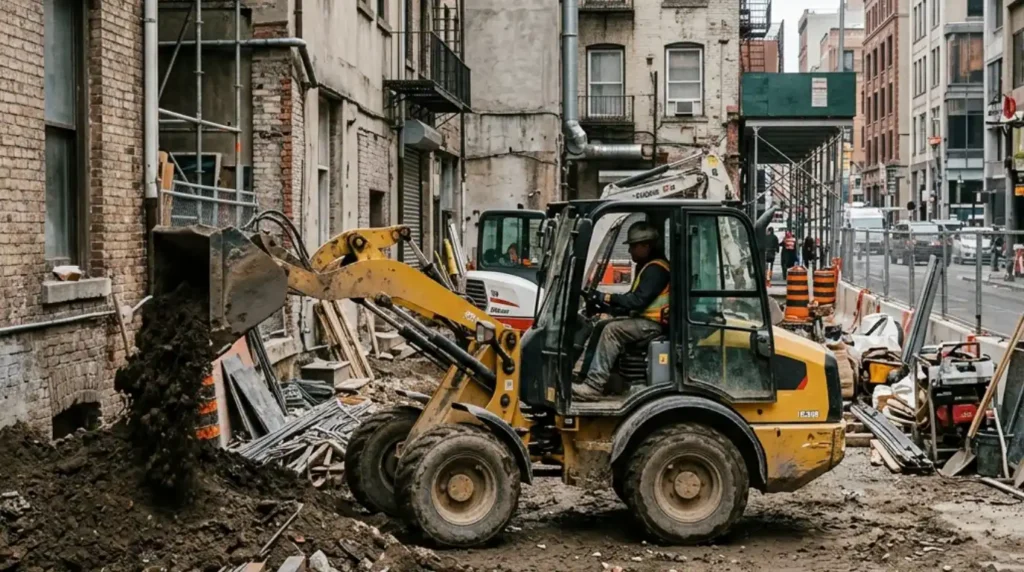
Medium Wheel Loaders: The Backbone of Larger Projects
Medium wheel loaders are often considered the standard choice for serious construction work, and for good reason. They represent a shift from flexibility to productivity, where the focus is no longer just on handling tasks but on handling them continuously and efficiently.
At this level, the demands of the job change. Projects involve larger volumes of material, tighter deadlines, and more coordination between machines. A loader is no longer working independently it becomes part of a system, feeding trucks, supporting excavation, and maintaining a steady production cycle.
What makes medium wheel loaders effective is their ability to sustain performance over long periods. They are built to handle repeated loading cycles without significant drops in efficiency. This consistency is critical in environments where delays can affect multiple parts of the operation.
From a business perspective, this type of machine often delivers the best return on investment for contractors handling regular, high-volume work. It balances fuel use, output, and durability in a way that supports long-term operations. But for projects that push beyond standard construction demands, even this level of performance may not be enough.
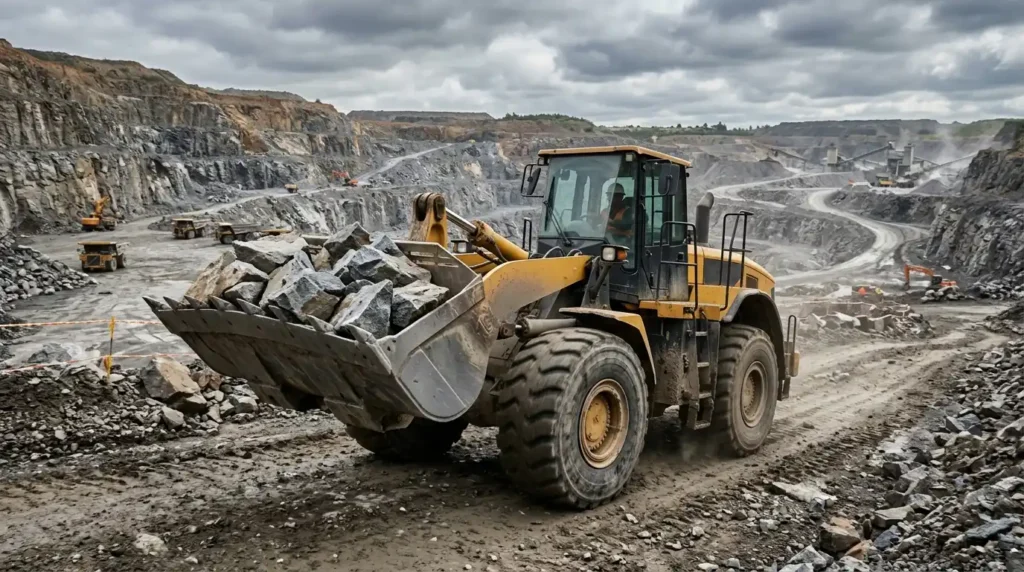
Large Wheel Loaders: Designed for Extreme Workloads
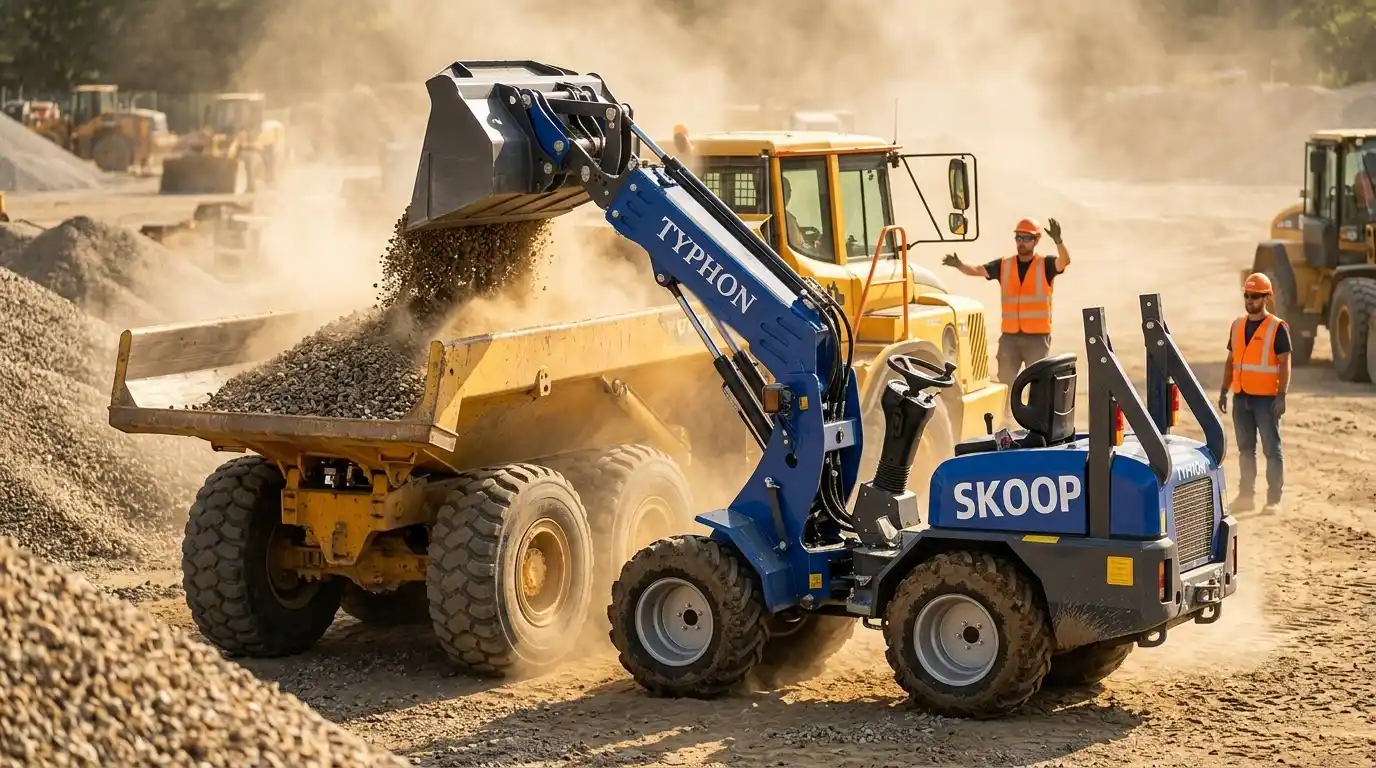
Large wheel loaders are built for environments where the scale of work changes everything. Mining operations, large quarries, and major infrastructure projects require machines that can move massive volumes of material without interruption.
At this level, efficiency is measured differently. It’s not about maneuverability or flexibility—it’s about output per cycle and reliability under constant strain. These machines are expected to perform heavy-duty tasks repeatedly, often in harsh conditions, with minimal downtime.
However, this level of capability comes with trade-offs. Larger machines consume more fuel, require more maintenance, and demand skilled operators to use them effectively. They also need enough workload to justify their presence. Without consistent heavy use, they quickly become inefficient and costly to operate.
This is where many buyers make a critical mistake—choosing a large machine for jobs that don’t truly require it. The result is higher operating costs without a meaningful increase in productivity. Understanding when not to choose a large loader is just as important as knowing when you need one.
Backhoe Loaders: A Different Kind of Solution
While not a traditional wheel loader, backhoe loaders often enter the conversation because they offer something different—a combination of loading and digging capabilities in a single machine.
This dual functionality makes them appealing for smaller operations where versatility matters more than specialization. Instead of investing in separate machines, contractors can handle multiple tasks with one piece of equipment.
In practice, this works well for utility work, small construction projects, and maintenance tasks where the workload varies throughout the day. However, this flexibility comes with limitations. A backhoe loader will not match the loading efficiency of a dedicated wheel loader, nor the digging performance of an excavator.
The decision here is not about which machine is better but which one aligns with the type of work being done. For operations that require both digging and loading in moderate amounts, a backhoe loader can be a practical solution. For high-volume material handling, it quickly falls short.
Choosing the Right Type: Matching Machine to Reality
Selecting the right type of wheel loader is less about specifications and more about understanding daily operations. The most common mistake is planning for extreme scenarios instead of focusing on routine tasks.
Every jobsite has a pattern. Materials are moved in certain ways, space is used in predictable limits, and workloads follow a consistent rhythm. The right machine fits into that pattern without forcing adjustments.
When a loader matches the job, everything feels smoother. Operators work more efficiently, fuel consumption stays under control, and maintenance becomes more predictable. When it doesn’t match, problems start to appear—slower cycles, higher costs, and unnecessary strain on both the machine and the operator.
The goal is not to choose the most powerful machine but the most appropriate one. That distinction often determines whether a machine becomes an asset or a burden over time.
Frequently Asked Questions
What type of wheel loader is best for small construction projects?
For smaller jobs, compact or small wheel loaders are usually the most practical choice. They are easier to move around tight spaces and cost less to operate. Most small construction sites don’t need the extra power of larger machines, so using a compact or small loader often improves efficiency rather than limiting it.
How do I know if I need a medium or large wheel loader?
The decision depends on how much material you handle daily. If your work involves continuous loading of heavy materials and supporting multiple trucks, a medium wheel loader is often enough. Large wheel loaders are only worth it when the workload is consistently heavy, such as in mining or large-scale quarry operations.
Are bigger wheel loaders always more efficient?
Not necessarily. A larger machine can move more material per cycle, but it also consumes more fuel and costs more to maintain. If the job doesn’t require that level of capacity, a bigger loader can actually reduce efficiency and increase operating costs over time.
Can one wheel loader handle all types of jobs?
In most cases, no single machine is perfect for every situation. While small and medium loaders are versatile, they still have limits. The best approach is to choose a machine that matches your most common tasks rather than trying to cover every possible scenario.
What is the difference between a wheel loader and a backhoe loader?
A wheel loader is designed mainly for lifting and moving materials, while a backhoe loader combines loading with digging capabilities. Backhoe loaders are more versatile for mixed tasks, but they are less efficient when it comes to high-volume loading work.
How does the type of wheel loader affect operating costs?
The type of loader directly impacts fuel use, maintenance, and productivity. Smaller machines cost less to run but may struggle with heavy workloads, while larger machines handle more material but come with higher operating expenses. Choosing the right type helps balance these costs effectively.
Is it better to buy based on future needs or current work?
It’s usually better to choose based on your current, daily work. Planning for future growth is important, but overestimating your needs often leads to higher costs without real benefits. A machine that fits your present workload will deliver better results immediately.
Conclusion
Wheel loaders may look similar at a glance, but the differences between them become clear the moment they are put to work. Each type is designed with a specific purpose in mind, and understanding those purposes is what separates a good decision from an expensive mistake.
For contractors and business owners, the real value lies in choosing equipment that supports the way they actually work—not the way they imagine they might work in the future. A well-matched wheel loader improves efficiency quietly, reduces operating costs over time, and keeps projects moving without unnecessary complications.
As projects evolve and demands increase, the importance of choosing the right machine only grows. Taking the time to understand these differences is not just a technical decision—it’s a strategic one that directly affects productivity, profitability, and long-term success.