
Wheel Loader vs. Skid Steer: Which Is Right for You?
Selecting the right heavy machinery guarantees your project stays on schedule and under budget. When you need compact power, the decision often comes down to two distinct machines. You must choose between a mini wheel loader and a skid steer. Both machines offer incredible value, but they operate differently and serve different core purposes.
Making the wrong choice can lead to delayed timelines, damaged property, and wasted capital. We understand that purchasing heavy equipment requires clear, expert guidance. This guide provides a comprehensive construction equipment comparison to help you invest with confidence.
Read on to discover how these two machines compare directly. We will break down their differences in maneuverability, lifting capacity, versatility, and total cost of ownership. By the end of this post, you will know exactly which machine aligns with your daily operational demands.
Understanding the Basics of Both Machines
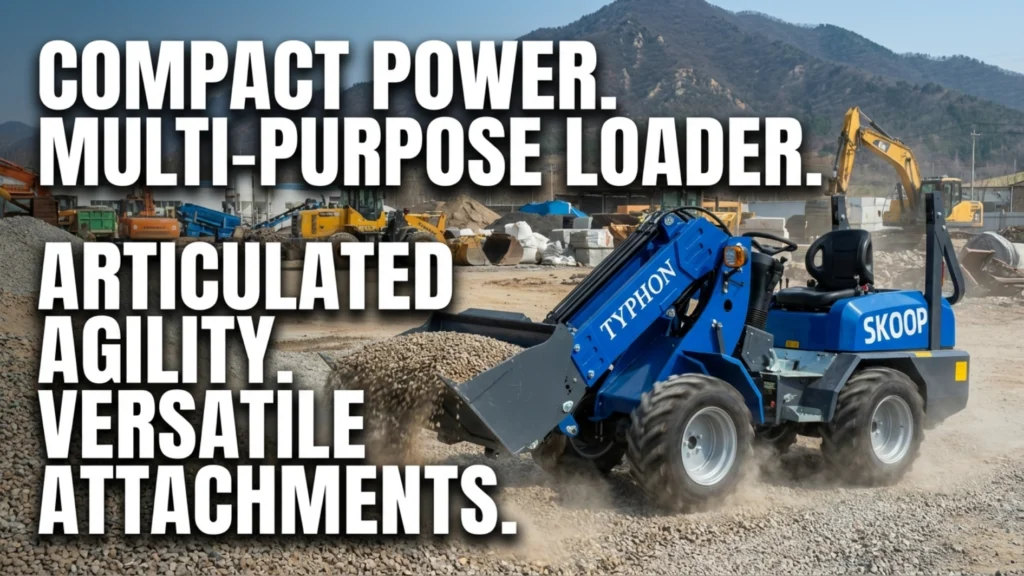
Before comparing specific specifications, you need to understand how manufacturers design these machines. Their structural differences dictate how they move, lift, and perform on an active job site.
What Is a Wheel Loader?
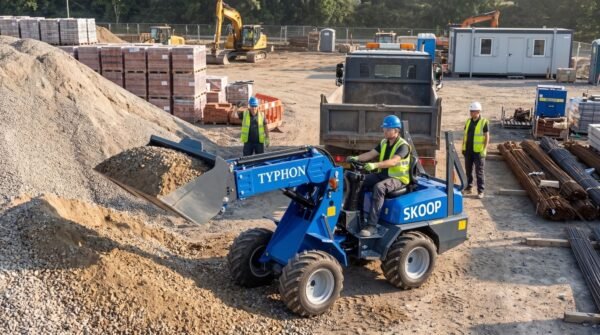
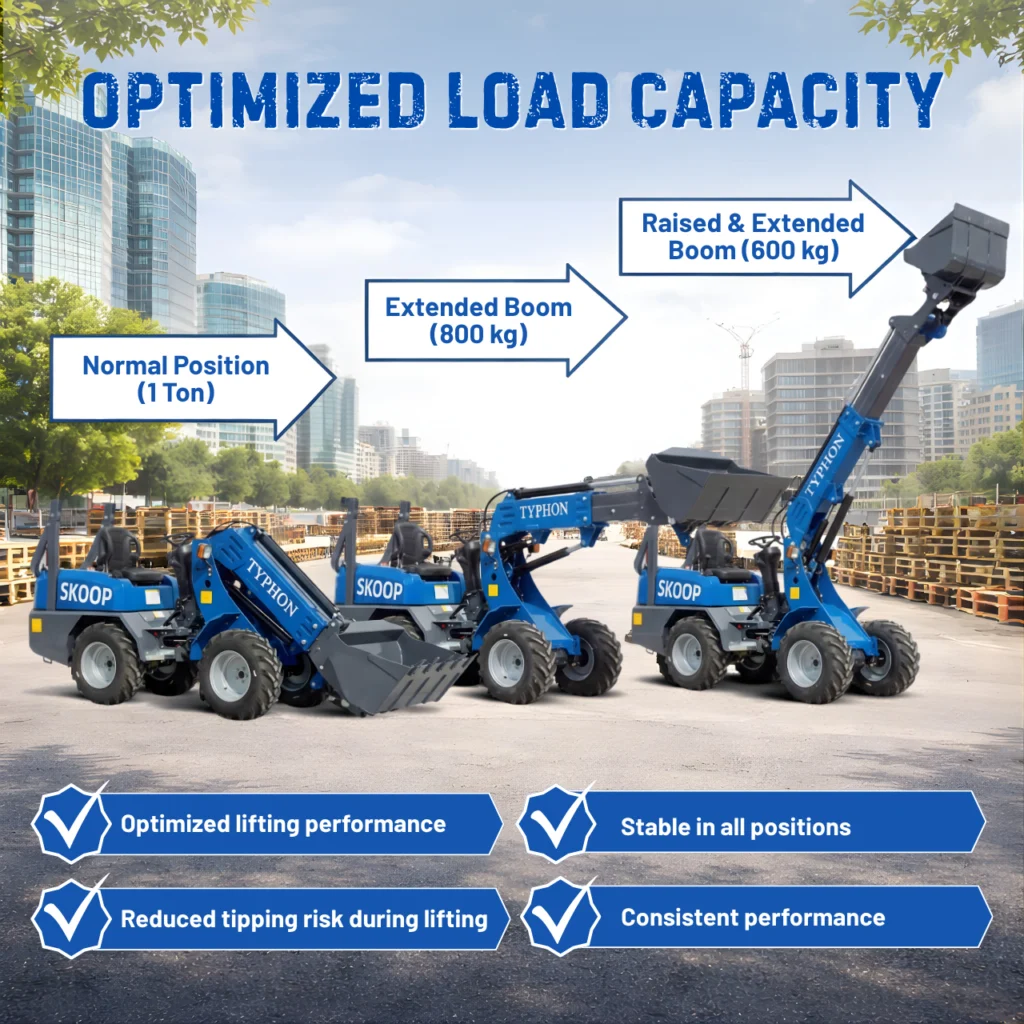
A wheel loader is a compact, four-wheel-drive machine built primarily for loading and transporting loose materials. It features an articulated steering joint located in the center of the chassis. This design allows the front and rear axles to pivot independently.
Because the machine articulates, the tires roll naturally through a turn rather than dragging across the ground. Operators sit relatively high in the cab, gaining excellent visibility over the bucket and the surrounding work area.
What Is a Skid Steer?
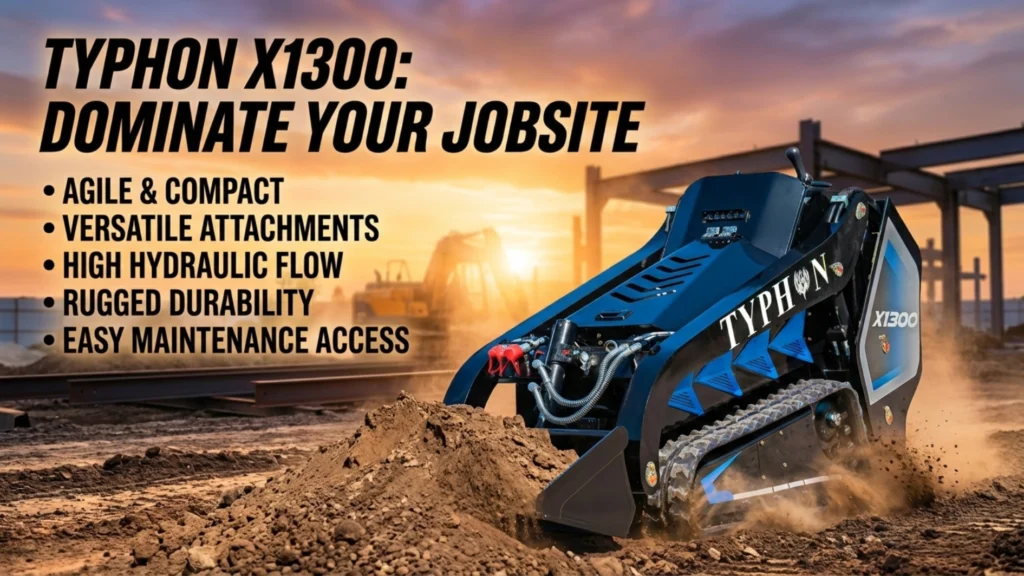
A skid steer is a rigid-frame, engine-powered machine featuring lift arms used to attach a wide variety of tools. Unlike a wheel loader, a skid steer has no steering mechanism. The left and right wheels lock in synchronization with each other.
To turn the machine, the operator drives the wheels on one side faster than the wheels on the opposite side. This forces the machine to “skid” across the ground. This unique steering method allows the machine to turn completely around within its footprint.
Key Factors for Construction Equipment Comparison
To make an informed purchasing decision, you must evaluate how each machine performs across four critical categories. Compare these factors against your most common job site conditions.
Maneuverability and Surface Impact
Maneuverability requirements vary drastically depending on your typical work environment. If you work in highly confined spaces, a skid steer offers unmatched agility. Its zero-turn radius allows it to operate inside building frames, narrow alleys, and small demolition zones.
However, this steering mechanism comes with a major drawback. The skidding action aggressively tears up the ground beneath the tires. If your crew works on finished turf, delicate asphalt, or decorative concrete, a skid steer will cause severe surface damage.
A mini wheel loader solves this problem perfectly. Its articulated steering protects delicate surfaces while maintaining a highly respectable turning radius. Landscapers and residential contractors strongly prefer mini wheel loaders to avoid costly site repairs.
Lifting Capacity and Loading Heights
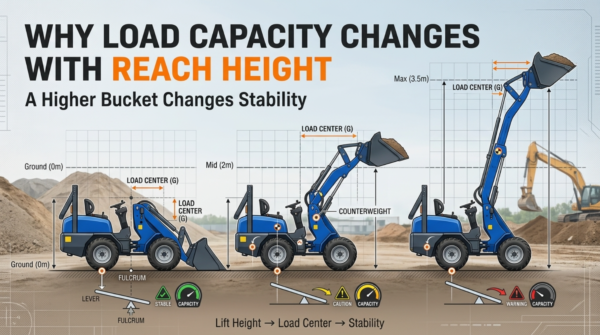
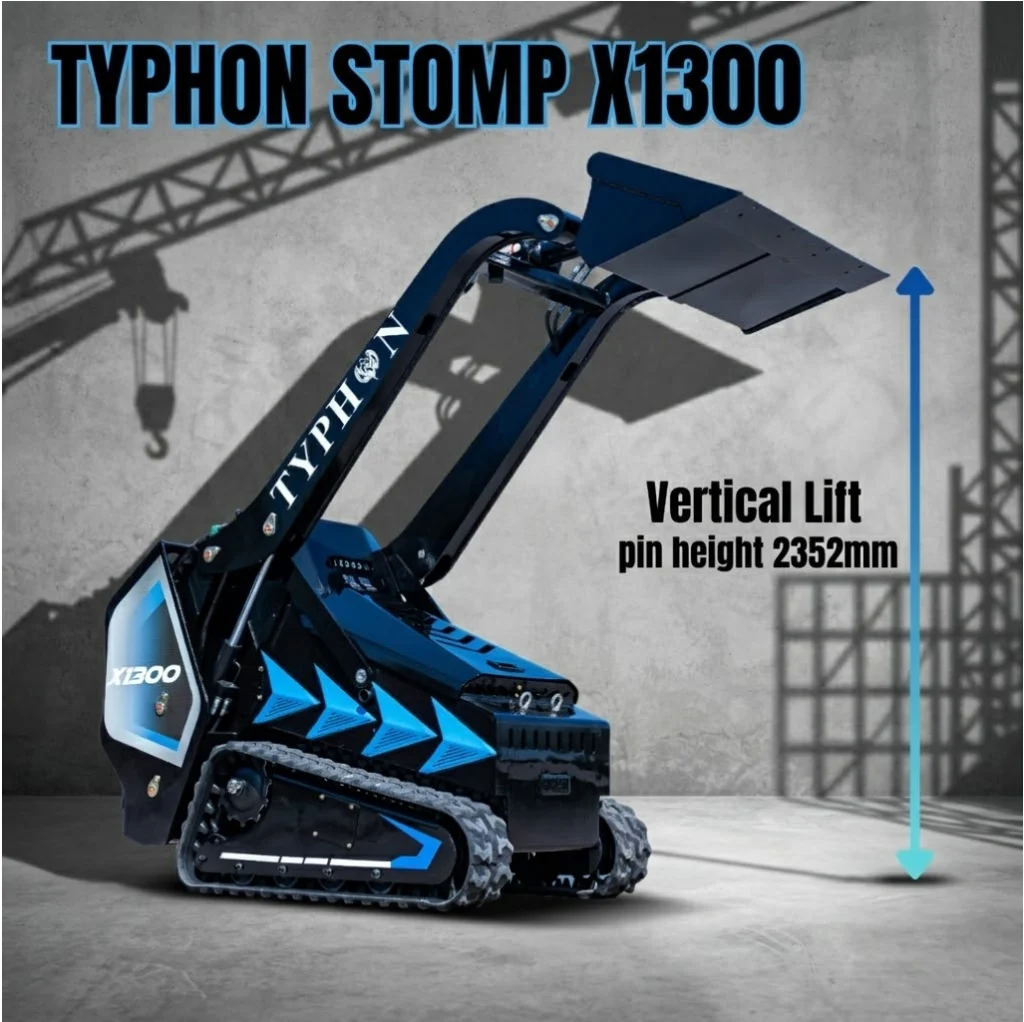
Moving heavy materials efficiently requires the right lifting capabilities. Skid steers generally feature a lower center of gravity, which provides excellent stability when lifting heavy pallets. They offer either radial or vertical lift paths, making them highly effective for moving materials close to the ground.
Alternatively, a mini wheel loader naturally sits much higher off the ground. This elevated design translates directly to superior dump heights. If your daily operations involve loading high-sided dump trucks or elevated hopper bins, the mini wheel loader provides the reach you need. The higher seating position also keeps your operator safer by providing a clear view of the dumping target.
Versatility and Attachment Options
When it comes to raw versatility, the skid steer leads the industry. Manufacturers build these machines to serve as universal tool carriers. Thanks to their robust high-flow auxiliary hydraulics, they can easily power demanding attachments. You can equip a skid steer with cold planers, trenchers, forestry mulchers, and hydraulic breakers.
A mini wheel loader also accepts attachments, but its primary function remains loading and hauling. You can easily attach pallet forks, snow pushers, and light grapples. However, they typically lack the hydraulic flow required to run heavy-duty motorized attachments. If you need a machine to perform ten entirely different tasks in a single week, the skid steer holds the advantage.
Operational Costs and Budget
Protecting your budget requires looking beyond the initial purchase price. Skid steers generally carry a lower upfront acquisition cost compared to mini wheel loaders of a similar size. This makes them highly attractive for contractors working with strict capital limits.
However, the long-term operational costs tell a different story. The skidding action of a skid steer destroys tires rapidly, forcing you to replace them frequently. Furthermore, skid steers typically consume more fuel per hour than articulated loaders. A mini wheel loader costs more upfront, but its superior fuel efficiency and vastly extended tire life often result in a much lower total cost of ownership.
Ideal Applications for Each Machine
Aligning the machine with your specific industry guarantees the best return on your investment. Review these common applications to see where each machine truly excels.
When to Choose a Mini Wheel Loader
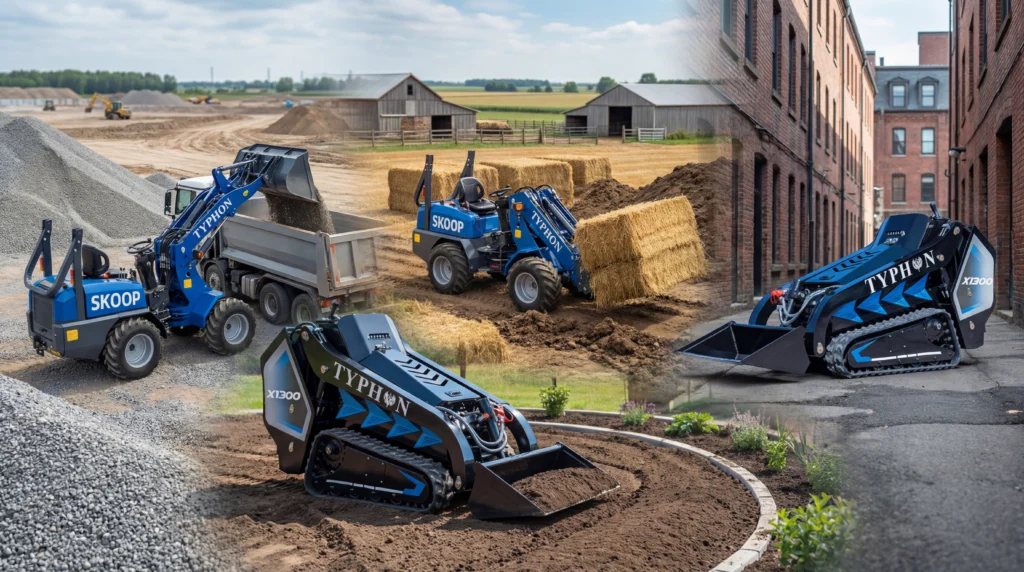
- Landscaping and Hardscaping: Move soil, mulch, and pavers across finished lawns without causing turf damage.
- Snow Removal: Clear massive commercial parking lots quickly thanks to higher top travel speeds and excellent forward visibility.
- Material Supply Yards: Load sand, gravel, and mulch into customer vehicles efficiently using superior dump clearances.
- Agricultural Work: Navigate through muddy farmyards easily with high ground clearance and constant four-wheel drive traction.
When to Choose a Skid Steer
- Demolition Projects: Navigate through tight indoor spaces and use heavy-duty hydraulic breakers to dismantle structures.
- Underground Utility Work: Utilize trencher attachments to lay pipe and conduit in highly confined urban environments.
- General Contracting: Switch rapidly between augers, sweepers, and grading buckets on a dynamic, ever-changing job site.
- Forestry and Clearing: Run high-flow brush cutters to clear overgrown land effectively.
Secure Your Next Equipment Investment
Choosing between a mini wheel loader and a skid steer comes down to your primary operational needs. If you prioritize surface protection, fast travel speeds, and fuel efficiency, the mini wheel loader delivers exceptional value. If you need a zero-turn radius and the ability to run dozens of specialized attachments, the skid steer remains the industry standard.
Evaluate your upcoming project pipeline and calculate your standard material weights. We strongly recommend speaking with a certified equipment dealer to arrange an on-site demonstration. Testing both machines in your actual working conditions provides the ultimate clarity, ensuring you invest in the exact right tool for your growing business.