Wheel Loaders: The Backbone of Modern Construction
In the world of construction and heavy machinery, few machines are as essential and versatile as the wheel loader. Known for its strength, efficiency, and adaptability, the wheel loader plays a critical role in a wide range of industries—from construction and mining to agriculture and logistics.
What is a Wheel Loader?
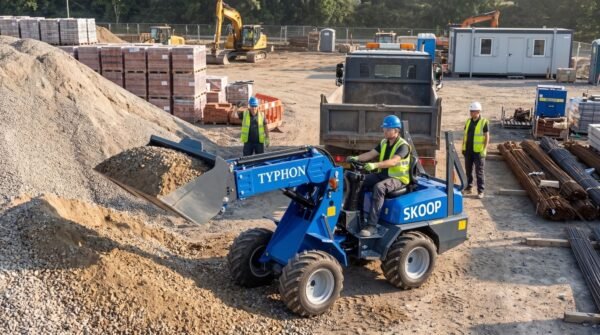
A wheel loader is a heavy equipment machine equipped with a large front bucket used to scoop, lift, and transport materials such as sand, gravel, soil, and debris. Unlike tracked machines, wheel loaders are designed with tires, allowing them to move quickly across job sites and paved surfaces with ease.
Their articulated steering system provides excellent maneuverability, making them ideal for both large construction sites and confined spaces.
Key Features of Wheel Loaders
1. Powerful Performance
Wheel loaders are built with high-performance engines that deliver the power needed to handle heavy loads efficiently.
2. Operator Comfort
Modern wheel loaders come with ergonomic cabins, intuitive controls, and excellent visibility, ensuring operators can work safely and comfortably for long hours.
3. Durability and Reliability
Designed for tough environments, wheel loaders are made with strong materials and components that withstand demanding workloads.
4. Versatility
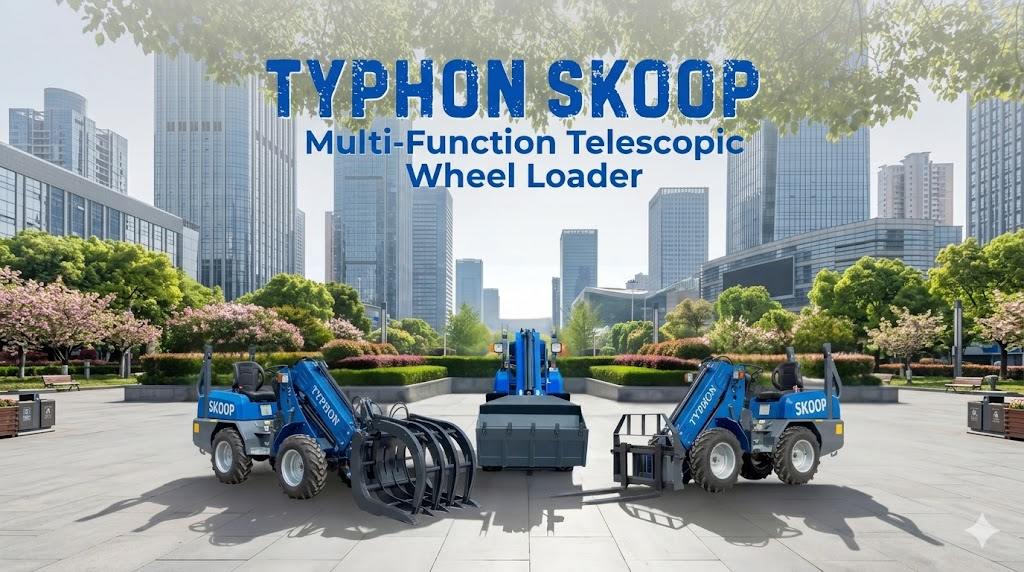
With the ability to support various attachments, wheel loaders can perform multiple functions beyond simple loading tasks.
Common Applications
Wheel loaders are used in many industries due to their flexibility:
- Construction: Loading materials, site preparation, and debris removal
- Agriculture: Handling feed, moving soil, and farm maintenance
- Mining: Transporting bulk materials and supporting excavation work
- Logistics: Loading trucks and managing warehouse operations
Benefits of Using a Wheel Loader
Efficiency
Wheel loaders help speed up operations by moving large volumes of material quickly.
Cost-Effective
One machine can perform multiple tasks, reducing the need for additional equipment.
Ease of Use
User-friendly controls make them suitable for operators of different skill levels.
Mobility
Rubber tires allow for faster movement compared to tracked machinery.
Choosing the Right Wheel Loader
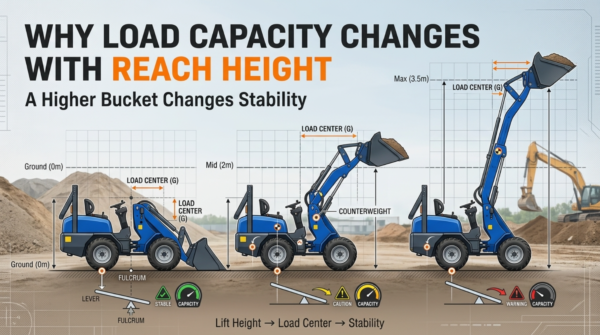
Selecting the right wheel loader depends on your project requirements. Key factors to consider include:
- Load capacity and bucket size
- Engine power and fuel efficiency
- Job site conditions
- Compatibility with attachments
Investing in the right machine ensures better performance, lower operating costs, and long-term reliability.
Conclusion
Wheel loaders are truly the backbone of modern construction and material handling. Their power, flexibility, and efficiency make them an indispensable asset on any job site. Whether you’re managing a large-scale project or a small operation, a wheel loader can help you get the job done faster and more effectively.